

It's 7.30 pm, dinner has finally been cleared, and your child is still moving at full speed. One minute they're bouncing between the sofa and the hallway, the next they're upset because pyjamas feel wrong, teeth brushing has become an argument, and tomorrow's school day is already causing worry. You've seen magnesium gummies described as a simple way to support calm and sleep, but you're sensible to pause before treating a sweet, chewable product like an ordinary lolly.
These magnesium gummies reviews focus on the questions that taste tests often miss. Is the dose suitable for your child's age? Does the label show elemental magnesium clearly? Does the product fit Australian safety guidance, your child's diet, and your healthcare professional's advice? A gummy may be convenient, but kid-friendly doesn't automatically mean appropriate.
Table of Contents
- The Search for Calm in a High-Energy World
- Understanding What Magnesium Does for Kids
- Safety and Dosing Guidelines for Australian Children
- How to Read Labels and Decode Online Reviews
- Key Comparison Criteria for Magnesium Gummies
- Making the Right Choice for Your Family
- Frequently Asked Questions
The Search for Calm in a High-Energy World
Many families start looking at magnesium after a difficult stretch of evenings. Perhaps your child manages school reasonably well but falls apart after walking through the front door. Perhaps bedtime takes so long that everyone becomes tense, or your child struggles to shift from screens, sport, homework, and sibling noise into a quieter routine.
That search deserves empathy. Children are still developing the skills needed to recognise tiredness, manage strong feelings, and move between activities. A supplement can become part of a routine, but it shouldn't be presented as a guaranteed answer to anxiety, big emotions, sleep resistance, or behaviour.
Online reviews can make the decision harder. One parent may describe a gummy as a bedtime success, while another says the same product made no noticeable difference. Both experiences may be genuine, yet neither tells you whether the dose, ingredients, timing, diet, or underlying concern is suitable for your child.
A useful starting point: assess the child, the label, and the reason for supplementation before assessing the flavour.
Taste and texture still matter. If a child refuses a product, the routine won't last. But the more important review questions are whether the label is transparent, whether the magnesium amount is suitable for the child's age, and whether the product encourages sensible use rather than daily dependence on a wellness promise.
The safest mindset is to treat magnesium gummies as one possible nutritional tool, not a shortcut to emotional regulation. Sleep timing, adequate food, movement, predictable transitions, and support for worries remain important parts of a child's wellbeing.
Understanding What Magnesium Does for Kids
Magnesium is an essential mineral involved in normal muscle function, nerve function, and energy production. A simple way to explain it to a child is to think of the body as a busy team. Magnesium helps different systems communicate and perform their jobs, including the muscles that move, the nerves that send messages, and the processes that help release energy from food.
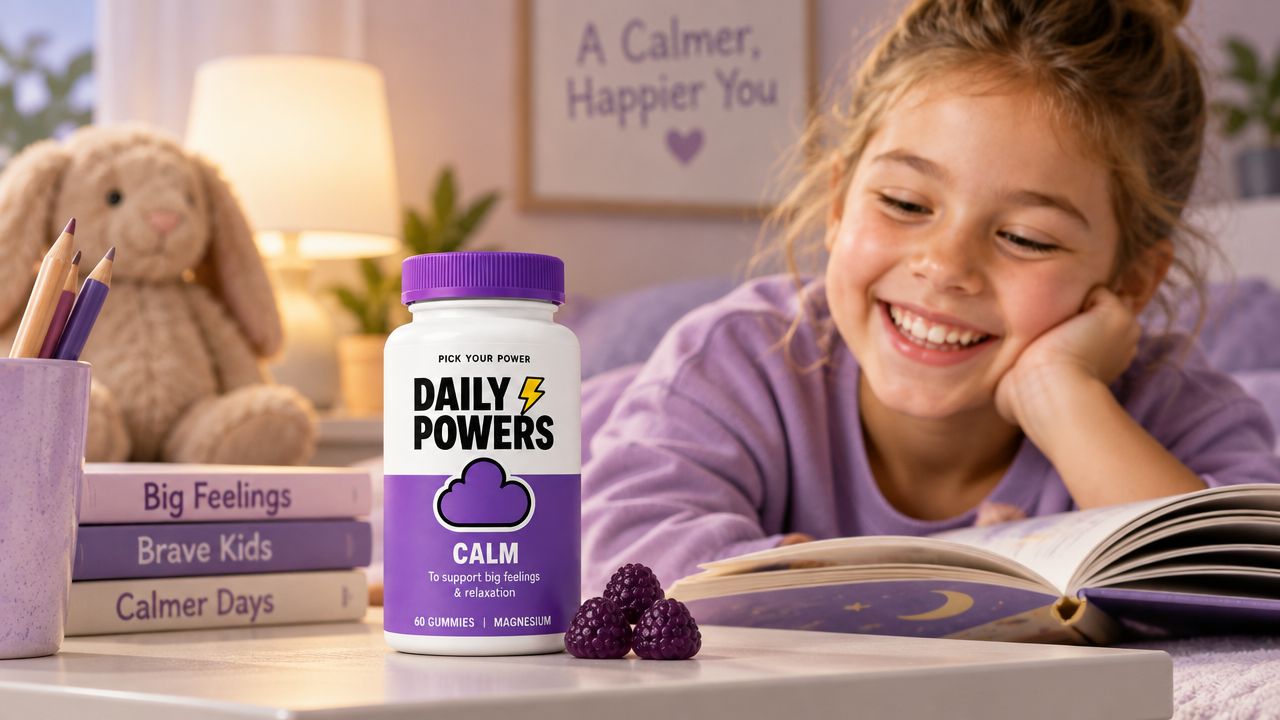
That role helps explain why marketing often connects magnesium with relaxation. A child who has enough magnesium is supporting normal body function, but that doesn't mean a gummy will automatically make them calm or solve a sleep problem. Relaxation is influenced by far more than one nutrient, including routine, stress, light exposure, activity, illness, discomfort, and emotional development.
Food comes before a supplement
Australian intake data provide useful context without creating panic. The latest ABS nutrition data report that 13.5% of children had an inadequate magnesium intake from food and beverages in 2023, while inadequacy was more common among adults at 35.9%. These figures show why supplementation may be worth discussing for some families, but they don't establish that every child needs a gummy. The Australian Bureau of Statistics nutrition data should be read as population information, not as an individual diagnosis.
Magnesium-rich foods can include legumes, nuts and seeds, wholegrain foods, leafy green vegetables, and other varied foods. The right question is often, “What does my child eat across a usual week?” rather than, “Which gummy has the strongest calming claim?”
A child with a narrow diet, restricted food choices, a diagnosed health condition, or a concern about growth may need individual advice from a GP or paediatric dietitian. A child eating a varied diet may not need routine supplementation, even if a product is easy to give.
Why the format matters
Gummies can help with acceptance because they're chewable and familiar. That practical benefit may support consistency for a child who refuses tablets, but convenience can also make supplementation feel casual. Store gummies securely and treat them as supplements, not confectionery.
If you're exploring the relationship between magnesium and bedtime, this guide to magnesium and sleep can help frame the discussion without turning a gummy into a promise of instant sleep.
For families considering a specific example, Calm is described as a children's gummy containing magnesium citrate, vitamin B6, zinc, and prebiotic fructooligosaccharides. Its listed daily serving provides 30 mg of elemental magnesium, alongside 1 mg of vitamin B6, 4 mg of zinc, and 160 mg of prebiotics. The product information also states that it contains no sugar, is vegan, and has no artificial colours or flavours. Those are label features to assess, not reasons to skip age and dose checks.
A short visual explanation can also help families understand how magnesium fits into everyday nutrition:
Safety and Dosing Guidelines for Australian Children
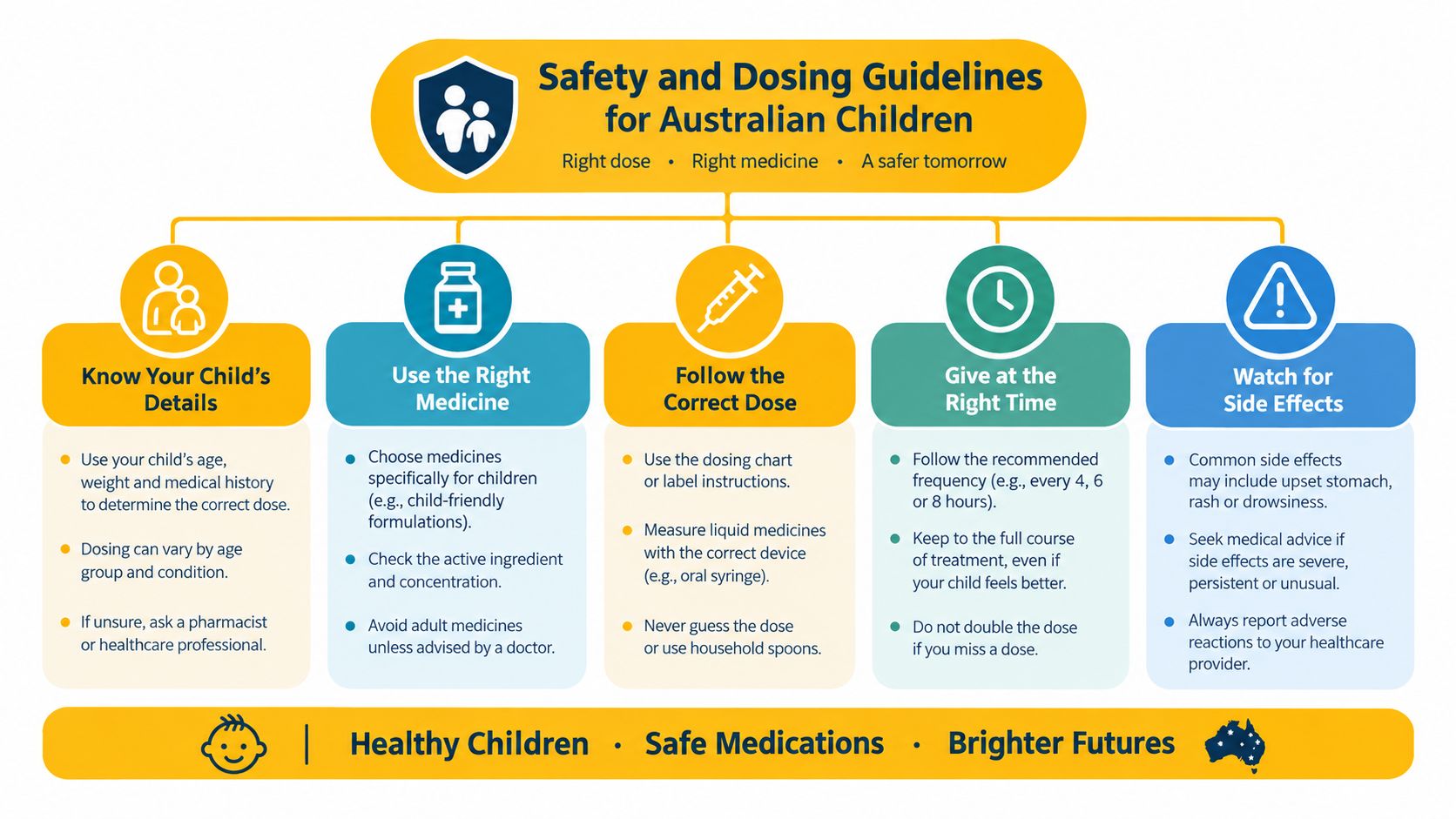
Dose is the first technical checkpoint in any Australian magnesium gummies review. Don't compare products by the number of gummies in the jar or by the weight of a compound such as magnesium citrate. Compare the elemental magnesium per recommended daily serving.
Australian nutrient references set a supplement upper limit of 110 mg per day for children aged 4 to 8 and 350 mg per day for children aged 9 and over, including those in the older child and adolescent groups. The Australian magnesium nutrient reference document explains the relevant upper-limit framework.
Read the age bands carefully
For younger children, the margin matters. Products delivering 110 mg or more of total magnesium per day for children aged 4 to 8 trigger required laxative-warning labelling, and products delivering 250 mg or more for people aged 9 and over also trigger warnings, according to the TGA information on permissible ingredients and labelling outcomes.
A warning doesn't mean a product is automatically unsuitable. It does mean the dose deserves careful attention, especially because magnesium supplements can cause digestive effects. Parents should never increase the serving because a smaller amount “doesn't seem to be working”.
Check three separate details:
- Age direction: Confirm the product gives directions for your child's age.
- Elemental amount: Find the magnesium amount, not only the compound weight.
- Combined intake: Include magnesium from other supplements and discuss medicines or health conditions with a clinician.
Understand the form without overpromising
Labels may list magnesium citrate, glycinate, oxide, or another form. The form tells you how magnesium is chemically supplied, while the elemental figure tells you how much magnesium the serving contributes. A product should make that distinction easy to find.
Magnesium citrate is common in chewable products and may be associated with digestive effects in some children. Other forms may suit different formulations, but no form should be treated as universally best for every child. If your child has loose stools, abdominal pain, kidney concerns, takes regular medication, or has a complex medical history, seek professional advice before starting a supplement.
The magnesium supplement guidance for children can be used as a general reading aid, but it doesn't replace an individual assessment. Australian nutrient references also list different upper limits for younger age groups, so don't apply advice for an older child to a preschooler.
Safety rule: Never judge a children's magnesium gummy by its “calm” positioning. Judge it by the age direction, elemental dose, total intake, and your child's circumstances.
How to Read Labels and Decode Online Reviews
The front of a bottle is designed to attract attention. The back of the bottle tells you whether the product deserves consideration. Start with the serving size, then locate the elemental magnesium amount and the age-based directions.
A label that lists only “magnesium citrate” without clearly stating the elemental magnesium amount makes comparison difficult. Parents should also check whether the recommended serving is one gummy or several, because the total daily amount changes with the serving instruction.
Use a back-of-pack checklist
Look for these details before reading the flavour description:
- Serving instructions: Identify the number of gummies recommended each day and whether directions differ by age.
- Elemental magnesium: Confirm the actual magnesium contribution per daily serving.
- Additional ingredients: Review sweeteners, acids, colours, flavours, prebiotics, and other active nutrients.
- Allergen information: Check the full ingredient list and warning statements, particularly for a child with known allergies or intolerances.
- Storage and use: Follow the stated storage instructions and keep the container inaccessible to children.
- Regulatory information: Look for clear product identification and Australian directions rather than relying on a generic overseas label.
Sugar deserves a separate look. A gummy can taste pleasant because of sugar, syrups, or alternative sweeteners. A sugar-free product may better suit a family trying to limit added sugar, but “sugar-free” doesn't answer the dose or suitability question.
The Calm magnesium gummy ingredients guide is an example of the kind of transparent information parents can seek, including the distinction between magnesium citrate and elemental magnesium.
Treat reviews as experiences, not evidence
Online reviews can tell you whether children accepted a flavour, disliked a texture, or experienced digestive discomfort. They can't confirm that a product caused better sleep or improved emotional regulation, because families change several things at once and children's responses vary.
Give more weight to reviews that include practical detail:
- Clear context: The reviewer explains the child's age and how the product was used.
- Balanced reporting: They mention both benefits and drawbacks rather than making absolute promises.
- Ingredient awareness: They distinguish taste, routine, and perceived effects.
- Safety awareness: They report unwanted effects and stop or seek advice when appropriate.
- Disclosure: Sponsored or incentivised reviews are identified clearly.
Be cautious with phrases such as “works instantly”, “cures sleep”, or “every child needs this”. These statements skip the questions that matter most: what was the child's diet like, what dose was used, and what else changed?
Key Comparison Criteria for Magnesium Gummies
A useful comparison doesn't ask which gummy is most exciting. It asks which product gives you enough information to make a safe, proportionate choice.
| Feature | Brand A, typical | Brand B, health-focused | Daily Powers Calm |
|---|---|---|---|
| Magnesium form | May be listed without much explanation | Clearly identifies the form | Magnesium citrate |
| Elemental dose | Must be checked on the label | Clearly stated if transparent | 30 mg per listed daily serving |
| Sugar | May contain sugar or syrups | May use sugar-free alternatives | Listed as 0 sugar |
| Other ingredients | Varies widely | Full ingredient list preferred | Vitamin B6, zinc, and prebiotic fructooligosaccharides are listed |
| Allergen and dietary suitability | Requires label review | Requires label review | Vegan, with no artificial colours or flavours according to the product snapshot |
| Taste and texture | Usually marketed towards children | Child acceptance varies | Berry-flavoured, soft chewable gummy according to the product snapshot |
| Value | Compare serving size and ongoing cost | Compare the same measures | Price and value still require checking directly on the current product page |
The table isn't a quality ranking. “Typical” and “health-focused” describe label patterns, not named products, and a transparent label still needs to be checked against your child's age and needs.
Formulation comes first
Magnesium citrate and magnesium glycinate aren't interchangeable marketing words. They describe different forms of magnesium, and citrate may be particularly relevant to parents watching for digestive tolerance. Focus on the product's declared elemental amount and your child's response, rather than assuming a form guarantees relaxation.
Dose per gummy affects practicality
A lower amount per gummy may make it easier to stay within age-based guidance, but you need to calculate the full recommended serving. If a child needs several gummies to reach the label's daily direction, the routine may become harder to manage and the container may be consumed more quickly.
For younger children, this check is especially important because the Australian upper limit is lower than the threshold used for older children. The number printed beside “magnesium” should be the first comparison point, not the size of the gummy.
Sugar, ingredients, and acceptance
Taste matters because an unpleasant product won't become a reliable routine. Yet a sweet taste can encourage children to ask for more, so keep the container secured and make the serving a caregiver-managed habit.
Families may also compare vegan status, artificial colours or flavours, texture, and other active ingredients. Daily Powers also lists Brave, a separate children's multivitamin gummy formulated with essential vitamins, kid-friendly flavours and textures, vegan ingredients, and no artificial colours or flavours. It isn't a magnesium product, so it shouldn't be substituted for one or combined without checking the full supplement plan.
Australian guidance highlights an important limitation in consumer comparisons. Many reviews emphasise taste while overlooking whether a gummy is the most suitable format, whether a child needs supplementation, and whether convenience could encourage unnecessary use. The Australian nutrient reference information for magnesium supports a food-first, needs-based approach rather than treating a gummy as an automatic daily requirement.
Making the Right Choice for Your Family
The right product depends on the child in front of you, not on the most persuasive product page. Start by asking what prompted the search. Is your concern a restricted diet, a clinician-identified nutrient gap, difficult digestion, a bedtime routine, or a general hope that your child will feel calmer?

A gummy may be reasonable to discuss with a healthcare professional when it solves a practical barrier, such as difficulty swallowing tablets, or when a dietitian or GP has identified a reason to supplement. It may be less useful when the main evidence is a broad promise about sleep, focus, calm, or behaviour.
Ask these questions before buying
- What does my child eat? Look across ordinary meals and snacks rather than judging one fussy day.
- What is the child's age? Use the relevant Australian age band, not a direction written for a different group.
- What is the elemental magnesium amount? Compare the total daily serving with the appropriate supplement upper limit.
- What else does my child take? Include multivitamins, fortified products, medicines, and supplements recommended by other practitioners.
- Can we manage the routine safely? A caregiver should control storage and serving, even if the gummy tastes like a treat.
- What result would count as useful? Define a realistic goal, such as making a routine easier, rather than expecting a product to eliminate distress.
If your child has ongoing sleep difficulty, frequent emotional outbursts, pain, bowel changes, poor growth, fatigue, or a highly restricted diet, look beyond supplementation. A GP can assess possible medical, developmental, emotional, or environmental contributors, while a paediatric dietitian can review food intake and identify practical ways to improve nutrition.
Supplements support a plan. They don't replace the plan.
A careful trial, if recommended by a professional, should involve following the label, avoiding extra doses, and watching for digestive or other unwanted effects. Keep notes about the routine and any changes, but avoid assuming that every improvement came from the gummy. Children's sleep and behaviour naturally vary, and several household changes may happen at the same time.
Frequently Asked Questions
How long does it take for magnesium gummies to work?
There isn't a reliable universal timetable for a child to experience a noticeable effect, and a gummy shouldn't be judged as a guaranteed sleep treatment. Follow the recommended serving, assess the reason for use, and speak with your GP or dietitian if the concern continues.
Are there side effects to watch for?
Digestive symptoms such as loose stools, cramping, nausea, or abdominal discomfort can occur with excessive supplemental magnesium or with a product that doesn't suit your child. Stop and seek professional advice if symptoms are concerning, persistent, or severe.
Can my child take magnesium gummies with other vitamins?
Possibly, but check the total ingredient list first. A second supplement may contain magnesium or other overlapping nutrients, and medicines can require individual advice. Show every product to your pharmacist, GP, or dietitian before combining them.
Is morning or night better?
The best time is the time that fits safely into your family's routine and the product directions. Taking a gummy at night doesn't guarantee sleep, so focus on a calm wind-down routine and follow professional advice if timing matters for your child's situation.
Daily Powers offers children's gummy formulations designed around everyday routines, including Calm, a magnesium-based option listed with a clear elemental magnesium amount, and other products for broader wellbeing needs. Review the ingredient and age guidance with your healthcare professional, then visit Daily Powers to explore the range and choose a routine that fits your family's needs.