

Most advice about children's immune support starts in the wrong place. It tells parents to buy more vitamins, add another gummy, and search for an “immune-boosting” blend, as though a child's immune system improves because the label contains more ingredients. That approach can miss the core issue, whether your child needs a supplement at all, or whether the better fix is sleep, food, outdoor play, hygiene, or an overdue vaccination.
Australia offers a useful reality check. National immunisation coverage was about 94% for 1-year-olds and 95% for 5-year-olds in 2021, then eased to 93.8% and 94.3% in 2022, respectively, according to the Australian Institute of Health and Welfare's immunisation overview. Supplements have a role, but they aren't the foundation of protection against serious infectious disease.
My advice is straightforward: build the routine first, identify genuine nutritional gaps second, and supplement precisely when there's a reason. That means looking at diet, sleep, hygiene, outdoor activity and vaccination status before reaching for a high-dose product. For a broader explanation of what immunity means, see this guide to the meaning of immunity.
Table of Contents
- Rethinking What Immune Support Really Means
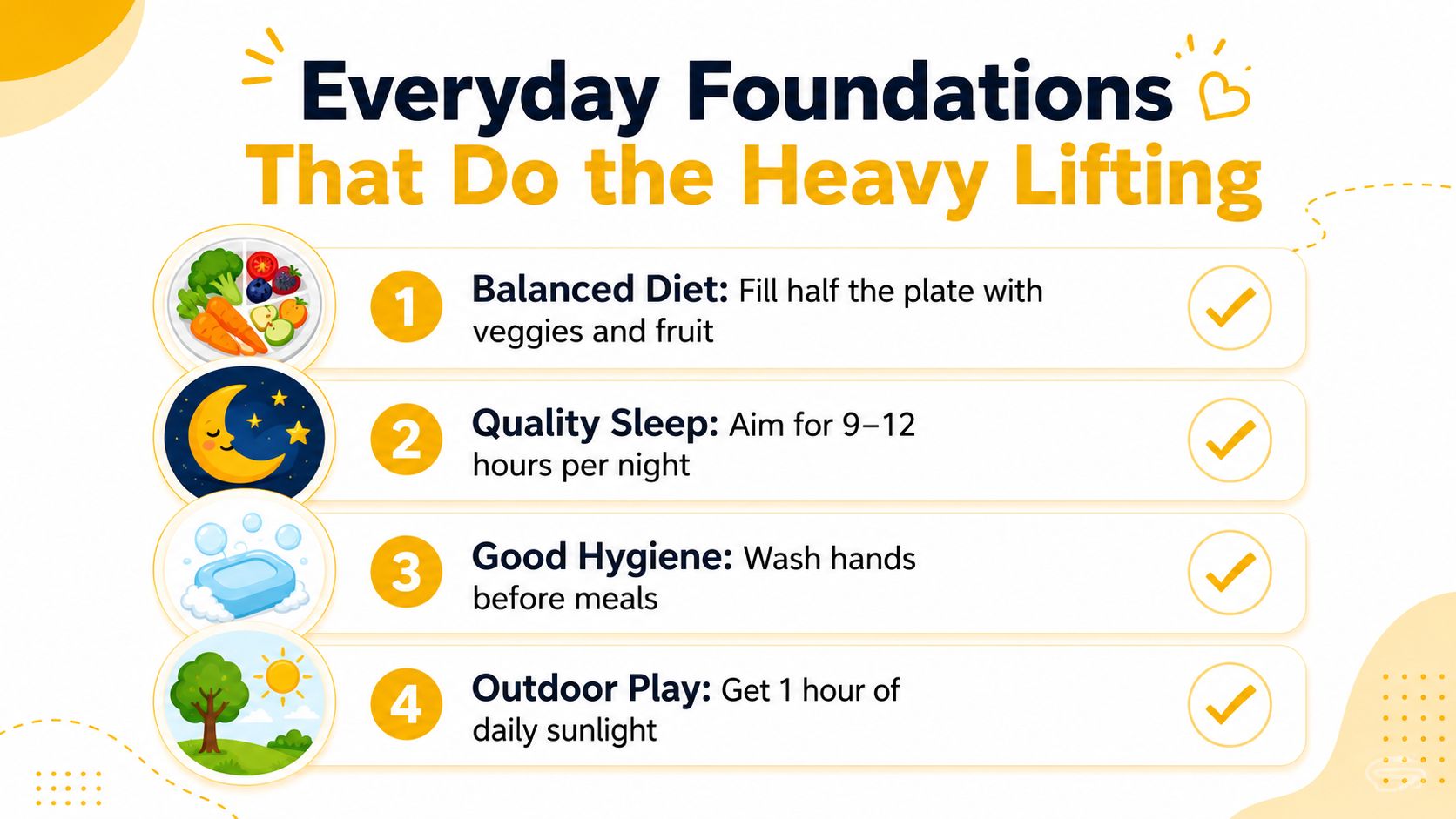
- Everyday Foundations That Do the Heavy Lifting
- Key Nutrients and How They Work Together
- Dosing Matters More Than Dosage
- Building a Daily Ritual Kids Actually Follow
- Where Vaccination Fits in the Picture
- Choosing Supplements Safely as a Caregiver
- A Simple Plan to Start Tomorrow
Rethinking What Immune Support Really Means
The popular assumption is simple: more vitamins must mean stronger immunity. It's attractive, easy to market and often wrong. A healthy child doesn't need an ever-growing collection of chewables, powders and herbal blends. The useful question is narrower: which nutrient, if any, is missing from this child's diet or routine?
Australian parents already show how widespread the supplement-first mindset has become. In the Australian Child Health Poll, 76% of parents said they gave vitamins or supplements to boost immunity, while 47% said they did so to supplement their child's diet. The poll's findings are discussed in the Australian Child Health Poll detailed report. Those figures don't prove that supplements are harmful or useless. They do show why caregivers need a clearer decision process.
Start with the child, not the product
A child eating a varied diet, sleeping adequately and growing normally may not need a daily immune product. A child with a restricted diet, low sun exposure, darker skin, poor appetite or a diagnosed deficiency may need targeted advice. Those are different situations, and they shouldn't receive the same formula or dose.
Vitamin D illustrates the point. The Royal Children's Hospital links low vitamin D with bone and muscle problems as well as “problems with immunity”, while also explaining that sunlight, skin type, season and latitude affect vitamin D status. In southern Australian cities, winter risk deserves attention, but broad supplementation without considering the child's circumstances is not a sensible default.
The practical hierarchy
Use this order:
- Nutrition: regular meals with enough protein, fruit, vegetables and nutrient-rich foods.
- Sleep: a predictable bedtime and enough total sleep for the child's age.
- Hygiene: handwashing, ventilation and sensible illness precautions.
- Outdoor play: movement and appropriate sun-safe time outdoors.
- Targeted supplementation: only when diet, risk factors or clinical advice justify it.
Zinc requires particular care. Australian survey analysis found that 9.4% of children used zinc-containing supplements, and 92% of those products were multivitamin preparations. The same analysis concluded that supplement use produced a high prevalence of intakes above the upper limit, especially among children aged 2–3 years, as reported in this Australian zinc supplement safety analysis.
Practical rule: A supplement should solve a defined nutritional problem, not provide reassurance for an undefined one.
Everyday Foundations That Do the Heavy Lifting
Supplements can't compensate for a child who regularly skips meals, sleeps poorly and spends little time moving outdoors. The everyday foundations are less exciting than a colourful gummy, but they do more of the work.
Build meals around variety
Aim for a colourful plate rather than a perfect menu. Fruit and vegetables provide vitamin C, folate and other nutrients, while lean red meat, lentils and eggs can contribute iron and zinc. Yoghurt and other fermented foods can fit naturally into breakfast or a snack, especially for children who resist unfamiliar vegetables.
A simple Australian weekday pattern might be eggs on wholegrain toast, yoghurt and fruit at breakfast, lentil or beef leftovers in a lunchbox, and vegetables alongside dinner. Water should be the default drink. If your child's diet is vegan, highly restricted or dominated by a narrow group of accepted foods, ask a GP or paediatric dietitian to assess the pattern instead of guessing from a supplement shelf.
Protect sleep as a health habit
Sleep supports growth, emotional regulation and immune function. Australian parenting guidance commonly works with age-based ranges, including 11–14 hours including naps for toddlers and 9–11 hours for primary-school children. A consistent wind-down, dimmer light and a predictable bedtime usually help more than a late-night attempt to “catch up” after several short nights.
Keep hygiene sensible
Teach handwashing before meals, after using the toilet, after nose-blowing and when returning from school or childcare. Ventilation matters when people are unwell, and covering coughs protects siblings and classmates. You don't need to turn the house into a chemical-cleaning zone or make children anxious about ordinary contact with the world.
Make outdoor activity normal
Outdoor play supports movement, mood and daily rhythm. Sun exposure also contributes to vitamin D synthesis, although sunscreen, skin type, season and latitude all change how much vitamin D a child produces. In Melbourne, Hobart and Canberra, winter conditions deserve more attention than a generic “every child needs more sun” message. Use sun-safe habits and speak with a clinician if your child has recognised risk factors for low vitamin D.
For families looking at routine-based products for a different need, Focus is described as a sugar-free, vegan blueberry-flavoured gummy containing mushroom polysaccharides, vitamin D3, zinc, elderberry fruit powder and prebiotics. It's positioned around growing minds and everyday learning, not as a replacement for food, sleep or medical care.
Key Nutrients and How They Work Together
Immune function depends on a network of nutrients, barriers and cells. That's why mega-dosing one nutrient rarely delivers the result parents expect. Vitamin C and zinc are particularly complementary, because vitamin C supports antioxidant protection and normal immune-cell function, while zinc contributes to immune-cell development and function and helps maintain physical barriers. The mechanisms are described in this medical review of vitamin C and zinc in immune defence.
What each nutrient contributes
Vitamin C supports normal immune-cell activity and antioxidant protection. Food sources such as citrus, berries, capsicum, tomatoes and broccoli are usually the sensible starting point. Routine supplementation isn't automatically useful for a well-fed child, but a clinician may recommend it where intake is poor or deficiency is a concern.
Zinc is essential for immune-cell development and for the body's physical barriers. Meat, eggs, dairy, legumes, nuts and seeds can contribute zinc, although the amount and absorption vary. Because children can unintentionally combine zinc from fortified foods, multivitamins and immune products, the label needs careful attention.
Vitamin D has a different role. It's involved in immune-function pathways, but Australian clinical guidance places its main health rationale in bone and muscle health and recommends assessment for children at risk of low status. Children with darker skin, limited sun exposure, veiling or winter risk in southern regions may need a professional assessment rather than a universal high-dose approach.
Iron supports oxygen transport, growth and normal development. It deserves attention when a child eats little meat, has a restricted diet or has symptoms that warrant medical review. Don't start iron casually, because the correct response to possible deficiency is assessment.
Probiotics and prebiotics may support the gut environment, but they aren't a substitute for a varied diet or vaccination. Yoghurt, legumes, fruit, vegetables and wholegrains can all contribute to a food-first pattern.
| Nutrient | Immune role | Best food sources | Supplementation verdict |
|---|---|---|---|
| Vitamin C | Antioxidant protection and normal immune-cell function | Citrus, berries, capsicum, tomatoes and broccoli | Use food first. Supplement when intake is inadequate or a clinician identifies a need. |
| Zinc | Immune-cell development, immune-cell function and physical barriers | Meat, eggs, dairy, legumes, nuts and seeds | Useful when intake is low, but age and total daily intake matter. |
| Vitamin D | Supports immune-function pathways and broader child health | Sun exposure and selected foods | Consider risk factors and clinical assessment, particularly during low-sunlight periods. |
| Iron | Supports growth, development and oxygen transport | Lean red meat, eggs and legumes | Don't self-prescribe. Discuss suspected deficiency with a GP. |
| Probiotics and prebiotics | Support the gut environment | Yoghurt, fermented foods, fruit, vegetables and wholegrains | Food choices usually come first; product choice should be specific and age-appropriate. |
For a closer look at the safety issues around children's zinc products, read this guide to zinc supplements for kids.
Dosing Matters More Than Dosage
Parents often compare supplements by milligrams, but a larger number isn't automatically a better product. The meaningful question is whether the child's total intake fits their age, diet and clinical situation.
The Australia and New Zealand Nutrient Reference Values list zinc targets of 3 mg per day for children aged 1–3 years, 4 mg for ages 4–8, and 6 mg for ages 9–13, with adolescent targets of 13 mg for boys and 7 mg for girls. These values are explained in the Australian zinc Nutrient Reference Values. The NHMRC says Nutrient Reference Values are intended to define adequate intake for healthy people while helping prevent deficiency and harm from excess, as outlined in its nutrition guidance.
Read the whole label
Look for the amount of elemental zinc, not just the weight of the compound. Zinc gluconate or zinc bisglycinate describes the chemical form, while elemental zinc tells you how much zinc the child receives. Add together every product your child takes, including a multivitamin, mineral gummy and fortified product.
Don't split an adult capsule and assume the result is a safe paediatric dose. The powder may not be evenly distributed, the product may contain ingredients unsuitable for children, and the resulting dose may still exceed what the child needs. Ask a GP or paediatric dietitian before continuing if your child takes multiple supplements, follows a restricted diet or has a diagnosed condition.
The reference table below is intentionally conservative. Zinc values are included only where the AU/NZ source provides them. A product label should also be checked against current professional advice for other nutrients, because a single table can't replace an individual assessment.
| Age | Zinc AI | Zinc UL | Vitamin C UL | Vitamin D UL | Folate UL |
|---|---|---|---|---|---|
| 1–3 years | 3 mg/day | Check current AU/NZ guidance | Check current AU/NZ guidance | Check current AU/NZ guidance | Check current AU/NZ guidance |
| 4–8 years | 4 mg/day | Check current AU/NZ guidance | Check current AU/NZ guidance | Check current AU/NZ guidance | Check current AU/NZ guidance |
| 9–13 years | 6 mg/day | Check current AU/NZ guidance | Check current AU/NZ guidance | Check current AU/NZ guidance | Check current AU/NZ guidance |
| Adolescence | Boys 13 mg/day, girls 7 mg/day | Check current AU/NZ guidance | Check current AU/NZ guidance | Check current AU/NZ guidance | Check current AU/NZ guidance |
Building a Daily Ritual Kids Actually Follow
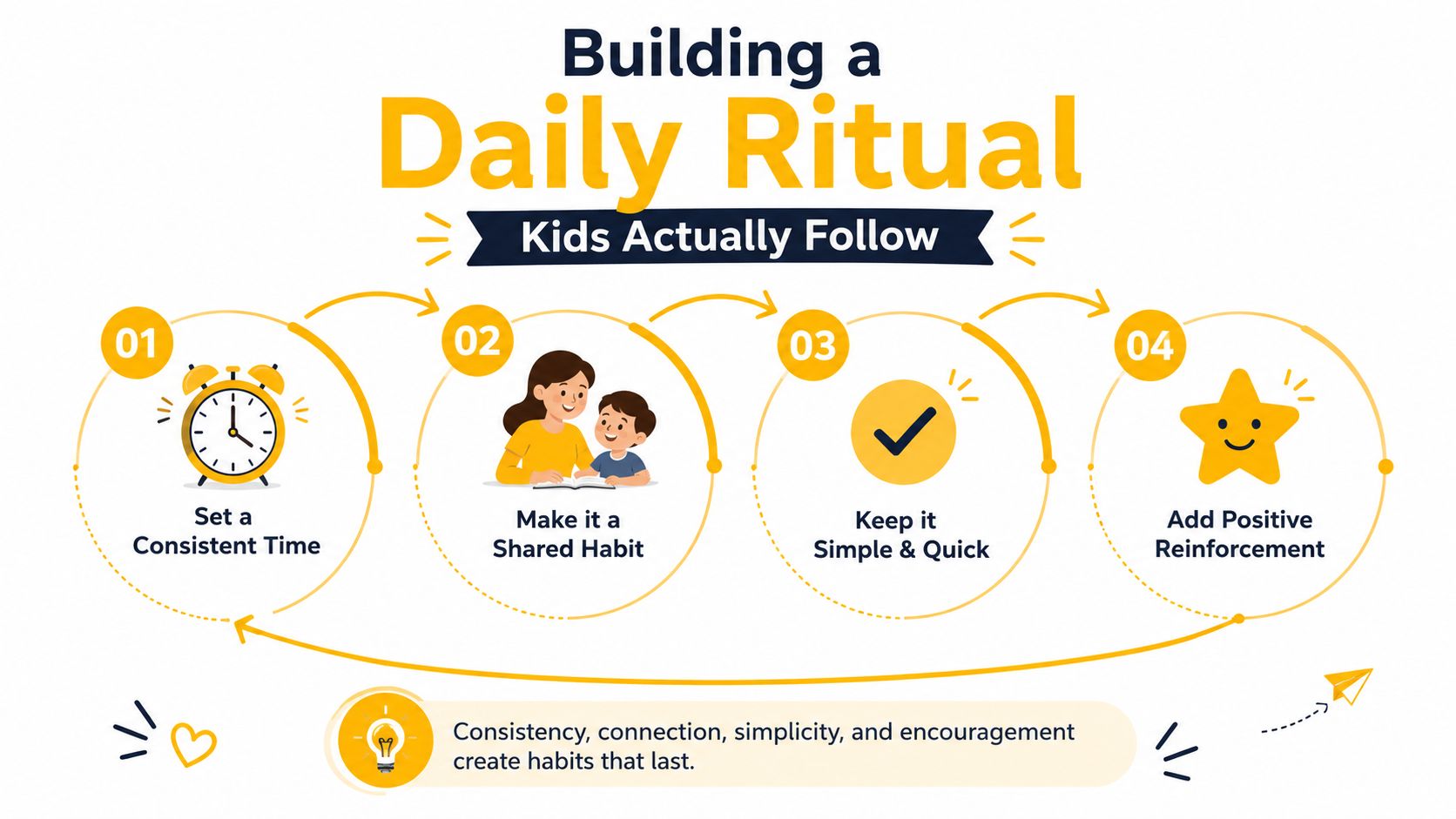
A supplement that sits untouched in a cupboard has no practical value. The winning routine is usually the one that attaches the product to something the family already does, rather than creating another task at an already rushed time.
The simplest sequence is:
Breakfast, Brave, brush, then we're ready to go!
Every morning, give Brave alongside or immediately after breakfast, let your child take their daily gummy as part of their “power-up”, then move straight into teeth-brushing. The exact time matters less than consistency, and taking it with a regular meal makes the habit easier to remember.
Make the cue visible
Keep the product in a safe, parent-controlled place near the breakfast setup, not loose in a child's bedroom. A tick-chart on the fridge can help younger children see the routine without turning it into a negotiation. Choose a chewable or liquid form based on age, swallowing ability and what your child can reliably take safely.
A fictional example makes the sequence clearer. A four-year-old might take an age-appropriate zinc and vitamin C product with breakfast at 7.30 am, followed by brushing and the school run. If a clinician has advised vitamin D during a low-sunlight period, the family could attach the drop to breakfast too, rather than inventing a separate reminder after drop-off.
Consistency beats novelty. A plain routine repeated calmly is more useful than a complicated schedule that lasts only until the first busy week.
Travel days and illness will interrupt the pattern. Put the product away safely before leaving home, use a small reminder in the parent's phone and restart the routine at the next normal breakfast rather than doubling a missed dose. With a second child, give both children the same visible sequence while keeping each product and dose specific to that child.
The most useful guidance on kids' vitamin gummies is practical: keep the product age-appropriate, store it like a medicine and make the habit predictable.
Where Vaccination Fits in the Picture
No discussion of children's immune support is honest without putting vaccination at the centre. Vaccines train the immune system to recognise specific infectious diseases, which is entirely different from taking a general nutritional supplement. Healthdirect's explanation of immunisation makes that distinction clear, and the Australian Government maintains the National Immunisation Handbook as schedules and recommendations are updated.
Australia's coverage remains high, but it has not moved in only one direction. The AIHW reported 93% coverage for 1-year-olds, 91% for 2-year-olds and 94% for 5-year-olds in 2023, while current Department of Health tables show rolling annualised coverage of 91.54%, 89.57% and 93.17%, respectively, for those age groups in the order listed. The same immunisation data resource records coverage trends for younger children back to 1999, giving families and policymakers a long historical baseline.
Check the record before buying another gummy
Look up your child's immunisation history through the Australian Immunisation Register or ask your GP practice to review it. If a dose was missed, don't try to compensate with supplements. Ask the practice about a catch-up plan and follow the schedule advised for your child.
A supplement may help fill a nutritional gap. It cannot replace vaccine-derived protection against vaccine-preventable disease, and it cannot turn a general wellness product into disease-specific immunity. If your child has a chronic condition, has missed vaccines or has a higher risk of complications, the GP conversation belongs ahead of the shopping decision.
Choosing Supplements Safely as a Caregiver
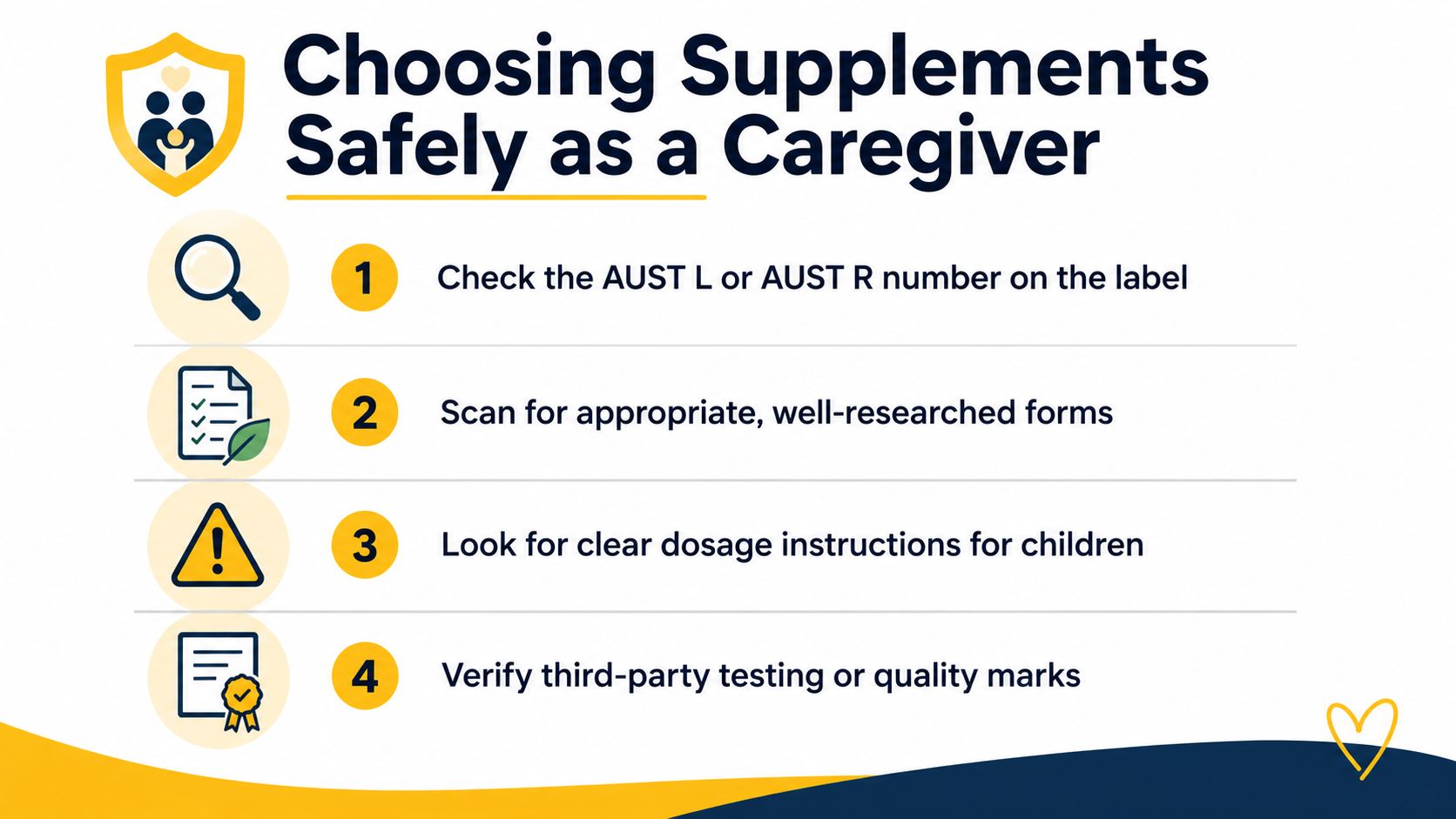
Treat a children's supplement like a health product, not a lolly. The packaging can be bright and the flavour pleasant, but the decision should rest on the label, the dose and the reason your child needs it.
Use a four-part label check
- Check the registration: Look for the relevant AUST L or AUST R number and follow the age and serving directions.
- Read the ingredients: Confirm the exact form and amount of every active ingredient. Avoid proprietary blends that hide individual quantities.
- Match the dose: Compare the serving with age-appropriate Nutrient Reference Values and include other supplements in the total.
- Reject the hype: “Extra-strength” claims, adult-style dosing and immune promises should make you pause, not purchase.
Sugar-free products without artificial colours or flavours may suit families trying to avoid those ingredients, but that doesn't make them necessary or automatically appropriate. A gummy that looks like a lolly also needs secure storage, because children may not understand that it contains concentrated nutrients.
Ask a GP before supplementing when the pattern points to a medical question rather than a shopping question:
- Repeated or severe infections: Seek assessment rather than repeatedly changing products.
- Recent antibiotic courses: Discuss the illness pattern and whether follow-up is needed.
- Chronic eczema or asthma: Ask how the condition affects risk and routine care.
- Vegan or restricted diets: A paediatric dietitian can identify gaps more accurately.
- Multiple medicines or supplements: Check for unnecessary overlap and interactions.
Leave it on the shelf if the product doesn't state its active doses clearly enough for you to compare them with your child's age and needs.
Don't select zinc picolinate, cholecalciferol or any other named form just because it sounds more advanced. The useful question is whether the product is suitable, transparent and clinically appropriate for your child.
A Simple Plan to Start Tomorrow
You don't need a cupboard full of products to improve your child's routine. Start with a quick review of the previous day, identify one practical gap and make one measured change.
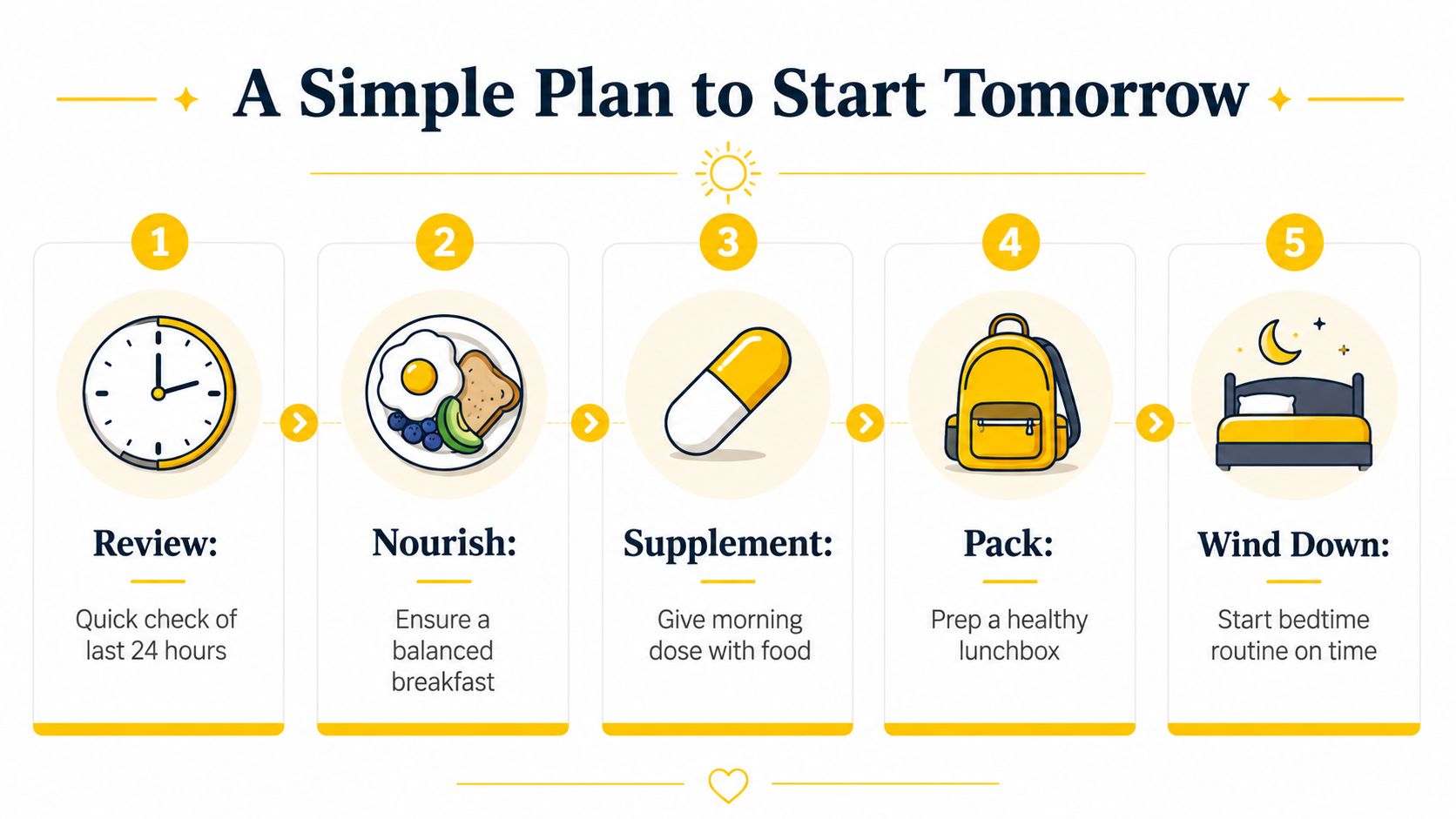
- Review the last 24 hours: Was breakfast skipped? Was bedtime pushed late? Did your child eat a narrow range of foods? Was there outdoor activity?
- Nourish the gap: Offer a balanced breakfast with protein, fruit or vegetables and a familiar wholefood option.
- Supplement only with a reason: If a GP has identified a nutrient need, give one age-appropriate product with food and record what your child takes.
- Lock in the ritual: Use “Breakfast, Brave, brush, then we're ready to go!” or your own short prompt every morning.
- Check protection: Review the immunisation record and book a GP appointment if a vaccination, growth concern or nutritional assessment is overdue.
Consider a five-year-old in Melbourne during winter. The family might build a sun-safe morning outdoor habit, serve a colourful breakfast, use a clinician-advised vitamin D supplement if risk assessment supports it, and begin an 8 pm wind-down. They should also confirm that the National Immunisation Program schedule is current. The exact plan depends on the child's circumstances, not on a generic promise printed on a bottle.
Reassess the routine after four weeks. Look at consistency, food variety, sleep and any clinical advice, rather than chasing a quick change in the number of sniffles. Good children's immune support is disciplined and specific: foundations first, targeted nutrients second, vaccination always in the picture.
Daily Powers offers sugar-free, vegan children's gummies formulated around everyday routines, including Brave for general energy and immunity support, with transparent product information to help caregivers assess ingredients and directions. Visit Daily Powers to review the range and choose whether a routine-based product fits your child's needs alongside food, sleep and appropriate medical care.