

The school bags are half-zipped, one child is arguing over the toaster, and the other is searching for a missing library book. You've packed fruit that may come home untouched, negotiated over breakfast, and remembered the water bottles at the last possible moment. A daily vitamin feels appealing because it offers one small, repeatable action when the rest of the morning is anything but organised.
That's where multivitamin gummies for kids can make sense. They're usually easier to chew than tablets, more pleasant than syrups, and simple to give without water or another negotiation at the kitchen bench. But they're still supplements, not lollies, and a good flavour doesn't compensate for poor dosing, unclear ingredients, excessive sweetness or careless storage.
The practical question isn't whether gummies are fun. It's whether the format helps your child maintain a safe, appropriate routine without creating new problems. Australian data provides useful context: in 2023, 15.5% of people took a multivitamin or multimineral supplement, while use among children aged 2 to 17 was 10.1% for boys and 9.2% for girls according to the Australian Bureau of Statistics dietary supplements release. Supplement use is established, but it isn't universal, so the right product should be chosen for a real family need rather than added automatically to every pantry.
Table of Contents
- Why Parents Are Reaching for Kids' Gummy Vitamins
- What a Quality Multivitamin Gummy Should Contain
- Sugar-Free and Vegan Options Worth Understanding
- Dosing and Age Guidance for Children
- Safety, Overdose Risks and Smart Storage
- Building a Daily Routine That Actually Sticks
- Reading Labels and Choosing a Trusted Brand
- Quick Checklist and Common Parent Questions
Why Parents Are Reaching for Kids' Gummy Vitamins
The appeal usually appears during a rushed weekday morning. A child refuses the scrambled egg, accepts toast, and leaves the banana in the lunchbox. Another child will eat yoghurt but rejects anything green. You could keep offering a varied diet, and you should, but you also need a routine that works when the ideal meal plan meets school drop-off.
Gummies answer a practical problem first. Their soft texture is easier for many children than a chalky chewable tablet, and fruity flavours can avoid the strong aftertaste that turns supplements into a daily dispute. They don't require a glass of water, a spoon, or a child who is willing to sit down for another task. That convenience matters when breakfast is short and lunch windows are even shorter.
Australian family behaviour supports the idea that supplementation is not a fringe habit. The Australian Child Health Poll report reported in 2016 that almost half of children had taken vitamins or supplements in the previous year, with parents identifying immune function, diet supplementation, growth, concentration and behaviour among their reasons. The same report estimated $74 million per year was being spent on vitamins and supplements for children under 15. That historical evidence doesn't prove every child needs a gummy, but it shows why parents already understand supplements as part of household health management.
The useful test: If the gummy improves a safe routine, it may earn its place. If it's being used to replace meals, rescue a persistently restricted diet or promise a dramatic health outcome, it's the wrong tool.
The central trade-off is straightforward. Gummies can be a habit-building format, but they're a limited nutrition intervention. They may help a child take an appropriate supplement consistently, yet they don't make vegetables more nutritious, correct every deficiency, or replace advice from a GP or paediatric dietitian.
What a Quality Multivitamin Gummy Should Contain
Start with the nutrition panel, not the front of the packet. A quality formula should match the child's likely dietary gaps and age, rather than win a competition for the longest ingredient list.
For many families, the useful categories include vitamin D, iodine, zinc and selected B vitamins, with iron considered only when it suits the child's needs and professional advice. Vitamins A, C and E can provide broader coverage, but “more” doesn't automatically mean better. Children who eat very few animal foods, avoid dairy, follow a restricted diet or have a narrow range of accepted foods may need a more targeted assessment.
The source form can matter, but don't let technical naming distract from dose and suitability. Iron bisglycinate and ferrous fumarate are different forms of iron with different formulation characteristics and tolerability profiles. Vitamin B12 may appear as methylcobalamin or cyanocobalamin, while folate can appear under several names. A pharmacist or dietitian can explain whether the form is relevant for your child. Parents shouldn't choose a product solely because one ingredient name sounds more advanced.
Read the useful parts first
| Nutrient | Why Kids May Need It | Preferred Form on Label |
|---|---|---|
| Vitamin D | Relevant when dietary intake or sun exposure may not support adequate intake | Clearly stated vitamin D form and amount |
| Iodine | Supports normal thyroid function and may need attention in restricted diets | Iodine listed separately, not hidden in a blend |
| Iron | Appropriate for some children, but accidental excess can be dangerous | A clearly stated iron compound and elemental amount |
| Vitamin B12 | Particularly relevant when animal foods are limited or excluded | Clearly named B12 form |
| Zinc | Supports normal growth and immune function | Named zinc compound with a transparent dose |
| Vitamins A, C and E | Provide broader nutritional coverage | Individual amounts, rather than an unexplained proprietary blend |
Be sceptical of herbal blends, vague “superfood” powders and children's probiotics that don't identify the strain. These additions can increase complexity and price without answering the basic question, which nutrients does your child need?
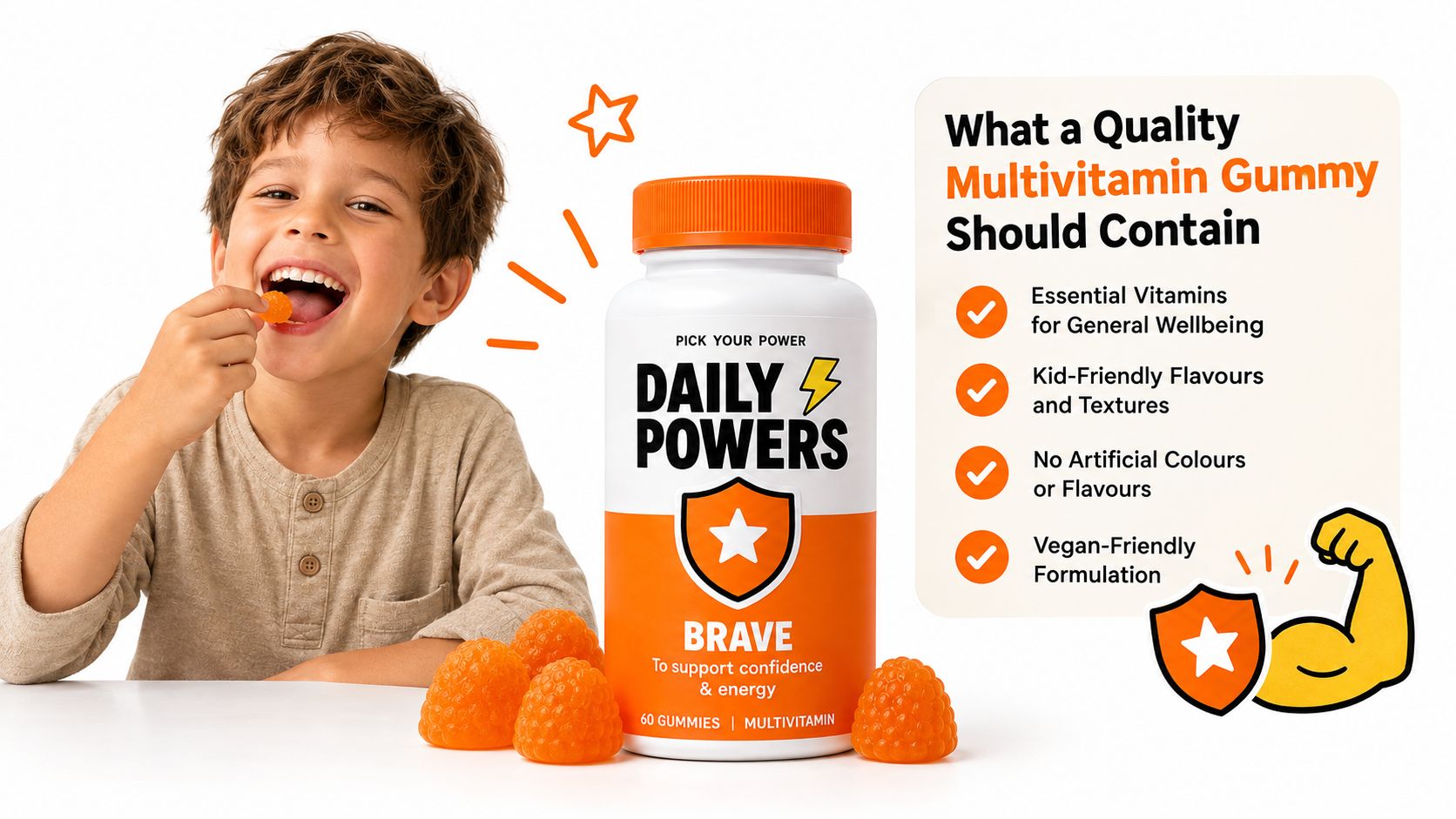
A product such as Brave is positioned as a daily multivitamin gummy with essential vitamins, kid-friendly flavour and texture, vegan ingredients, and no artificial colours or flavours. That description helps you assess the format and label, but you still need to check the current pack, age guidance and complete ingredient panel before buying.
Australian gummies also deserve a quality check beyond marketing language. The Therapeutic Goods Administration ARTG listing for a children's gummy product illustrates why an AUST L number matters in the local market. It signals that a listed complementary medicine has met applicable Australian quality and safety requirements, although it isn't the same as a guarantee that the product is necessary for your child or that every advertised benefit has been independently proven.
Sugar-Free and Vegan Options Worth Understanding
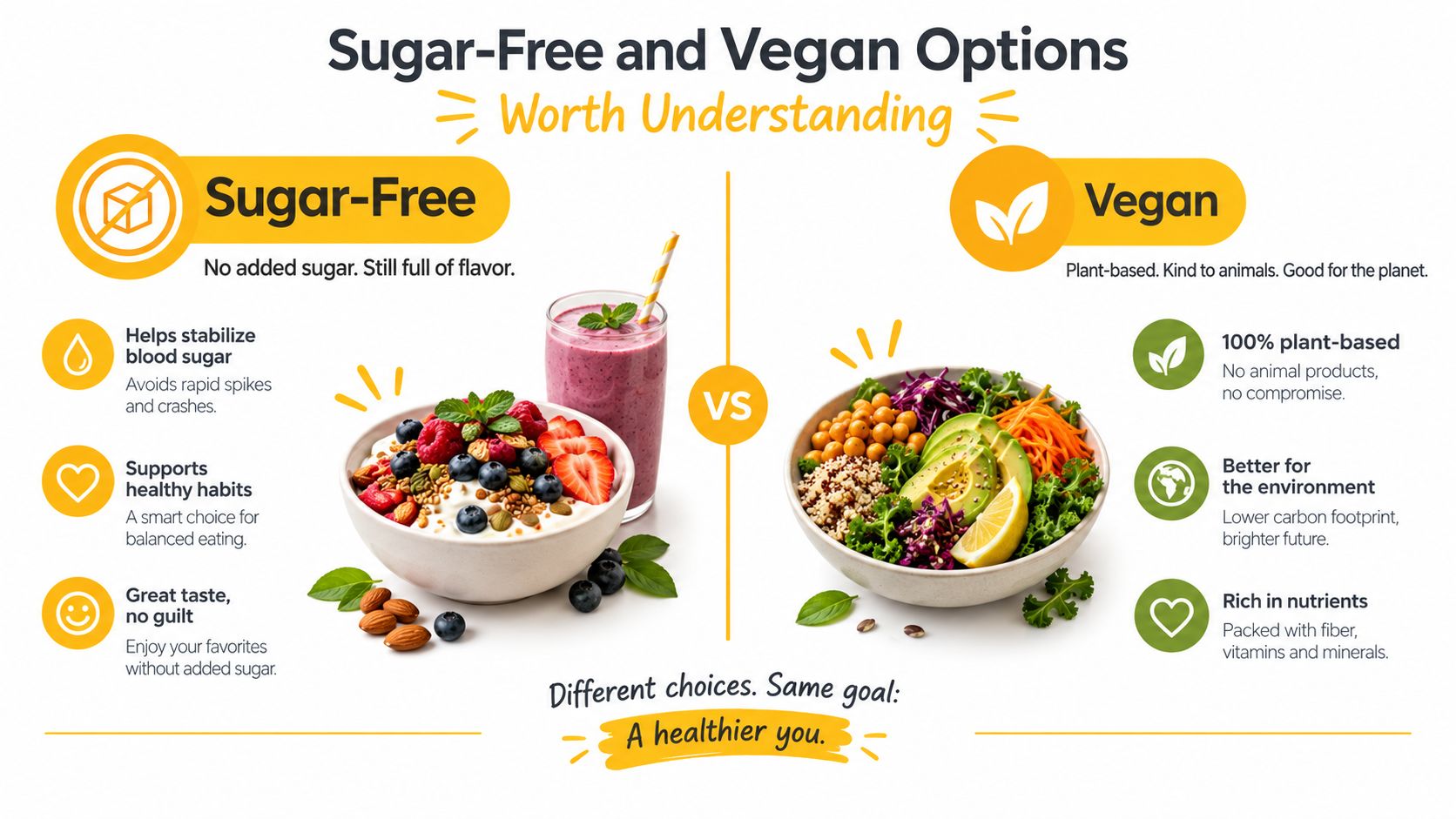
Sugar-free and vegan are useful filters, but neither label tells you the whole story. A sugar-based gummy may be easier to accept, while a sugar-free version may rely on sugar alcohols or intense sweeteners that affect taste and digestion differently. Vegan products commonly use pectin or agar instead of gelatine, which can change firmness, chew and shelf stability.
Sugar matters because gummies remain in contact with teeth as children chew them. A daily sweet format can also reinforce the idea that health products should taste like confectionery, especially when a child already takes other sweet supplements. Check the sugar per serving, not just claims such as “natural” or “made with fruit”.
Sugar-free formulas often use maltitol, xylitol, stevia or monk fruit. Maltitol and other sugar alcohols can cause digestive discomfort or a laxative effect when consumed in larger amounts, so read the warning panel and consider the child's total intake across products. Xylitol has a different sweetening profile from maltitol, while stevia and monk fruit provide sweetness without the same sugar-alcohol effect, but the overall formulation still needs scrutiny.
Vegan doesn't mean automatically safer
Pectin and agar can produce a suitable chew, but vegan status doesn't remove the need to check allergen controls. Look for statements about shared manufacturing equipment, as well as declarations for ingredients such as soy, gluten, milk, sesame and nuts where relevant to your family. Gelatine should be clearly identified if the product isn't vegan or if you're avoiding particular animal-derived ingredients.
Artificial colours and flavours can also appear in products that use “clean” language elsewhere on the packet. Scan the full ingredients list rather than relying on the front label. If a child has a known allergy, intolerances or a medically restricted diet, take the product label to a pharmacist before purchase.
For a closer look at the trade-offs, compare the practical guidance in this guide to sugar-free multivitamins. My preference is a product with no unnecessary sweetness, transparent sweeteners and a texture the child will accept. A sugar-free gummy that sits unopened in the cupboard has failed its main job, while a sugary product that becomes a treat can create a different problem.
Dosing and Age Guidance for Children
Age guidance on the label beats parental intuition. Children's bodies, diets, swallowing skills and nutrient requirements change throughout childhood, so don't assume a toddler can take a smaller version of a primary-school product or that an older child can use an adult formula.
Many gummy products begin around the toddler or preschool years, but the exact minimum age varies. Some children can chew safely while others still swallow quickly, hold food in their cheeks or struggle with firm textures. Use the manufacturer's stated age range, serving size and directions. If the label doesn't explain who the product is for, choose a clearer product.
A practical dosing snapshot
| Age Group | Typical Daily Dose | Key Nutrients to Watch | Caution |
|---|---|---|---|
| Toddlers and preschool children | Use only the product's stated age-specific serving | Iron, vitamin A and vitamin D | Avoid improvising with a split adult or older-child product |
| Primary school children | Follow the listed child serving | Vitamin D, iodine, zinc and B vitamins | Don't increase the serving after a missed dose |
| Older children and teenagers | Check whether the product remains suitable for the stated age | Iron and nutrients affected by restricted diets | Adult formulations aren't automatically appropriate |
| Any child with medical or dietary concerns | Use professional guidance | Depends on symptoms, diet and treatment | Targeted supplementation may be more suitable than a broad multi |
An AUST L product provides an Australian-listed medicine framework, but the number isn't permission to exceed the serving. The TGA's information on complementary medicine regulation and advertising is relevant because listed medicines aren't pre-market evaluated for efficacy in the same way as registered medicines. Parents still need to assess the product's claims, ingredients and directions carefully.
Common mistakes are easy to prevent:
- Don't double up: A missed serving usually doesn't need compensation. Follow the label or ask a pharmacist.
- Don't share casually: A sibling may have a different age range, diet or medical context.
- Don't treat taste as a dosing guide: A child asking for another gummy isn't evidence they need one.
- Ask before adding iron: Iron can be useful for a confirmed need, but it deserves particular care around children.
For more detail on age-appropriate administration, use this paediatric dosing guidance. Speak with a GP before starting a supplement if your child takes prescription medicines, has suspected iron deficiency, follows a highly restricted diet or has an ongoing health condition.
Safety, Overdose Risks and Smart Storage
A children's gummy is still a medicine in chewable form. The attractive shape and sweet taste make accidental overconsumption more plausible, not less.
The Queensland Poison Information Centre reported 180 calls in 2023 involving toddler exposure to iron-containing multivitamins, and about 70% involved gummies or pastilles. Some children consumed up to 120 gummies in a day, according to the coverage of that poison-centre information by UNSW. Those figures are a direct warning about access and storage, not an argument that every gummy is dangerous when used correctly.
Iron is the headline concern in accidental ingestion, while vitamin A and other fat-soluble vitamins also deserve attention because the body can retain them. Risk rises when parents stack a multivitamin with separate immune, bone, fish oil or other products without checking overlapping ingredients.
Use a medicine-level storage protocol
Keep the bottle in a high, locked cupboard, with the original child-resistant cap secured. Don't leave it beside the toaster, on a bedside table or in a handbag, even if you expect to give the dose shortly. The bathroom is a poor storage location when heat and moisture can affect products.
If a child has eaten more than the labelled amount, don't wait for symptoms or rely on online reassurance. Keep the bottle nearby and contact the Poisons Information Centre or emergency services for immediate advice. The exact response depends on the product, amount, child and timing.
Storage rule: An adult should remove and give each dose. Children shouldn't self-serve from the pantry, even when the label says “kids”.
Read the packaging after every purchase, particularly if the formula changes. “Healthy”, “natural” and “sugar-free” describe selected product features, not immunity from overdose.
Building a Daily Routine That Actually Sticks
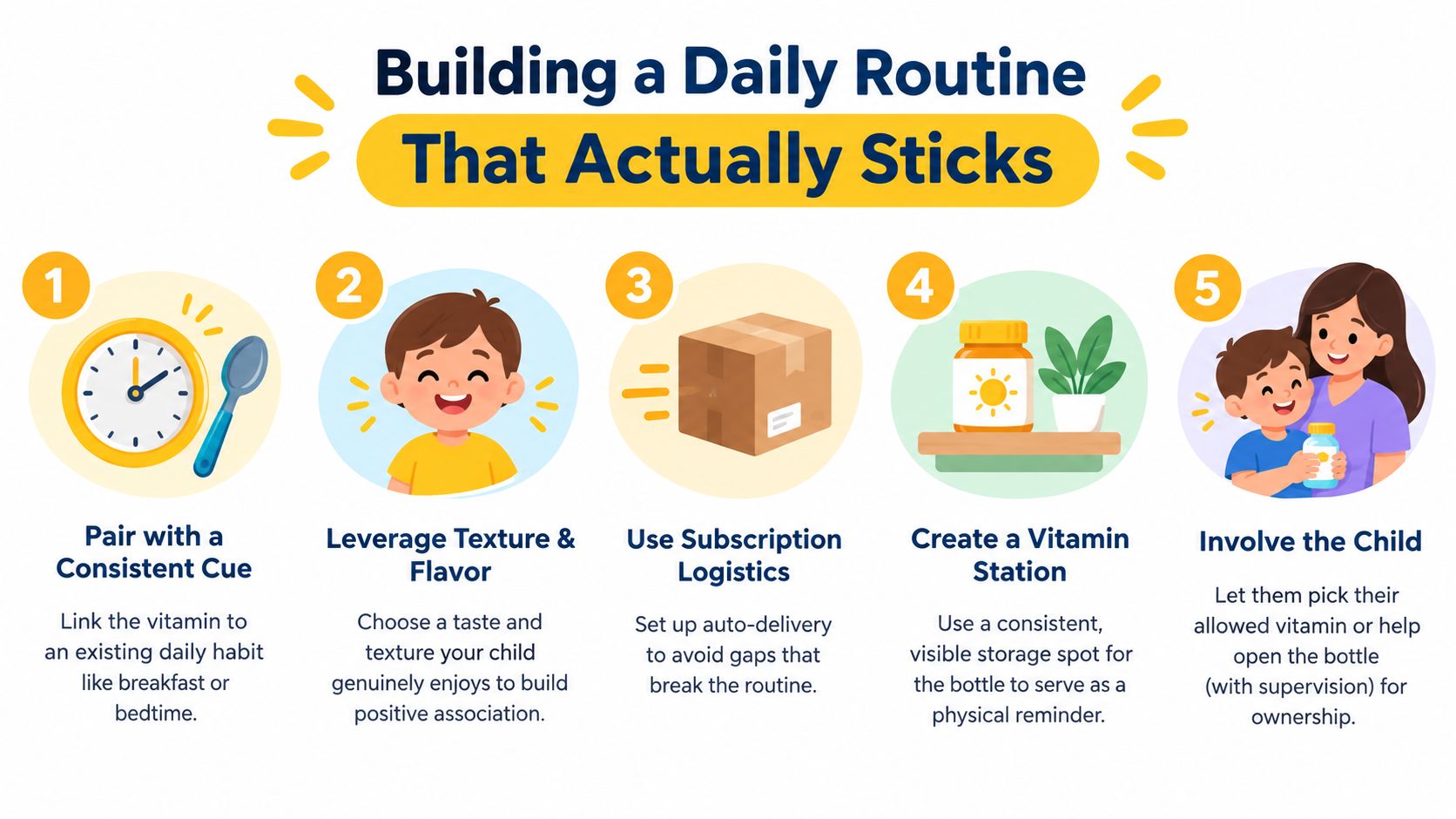
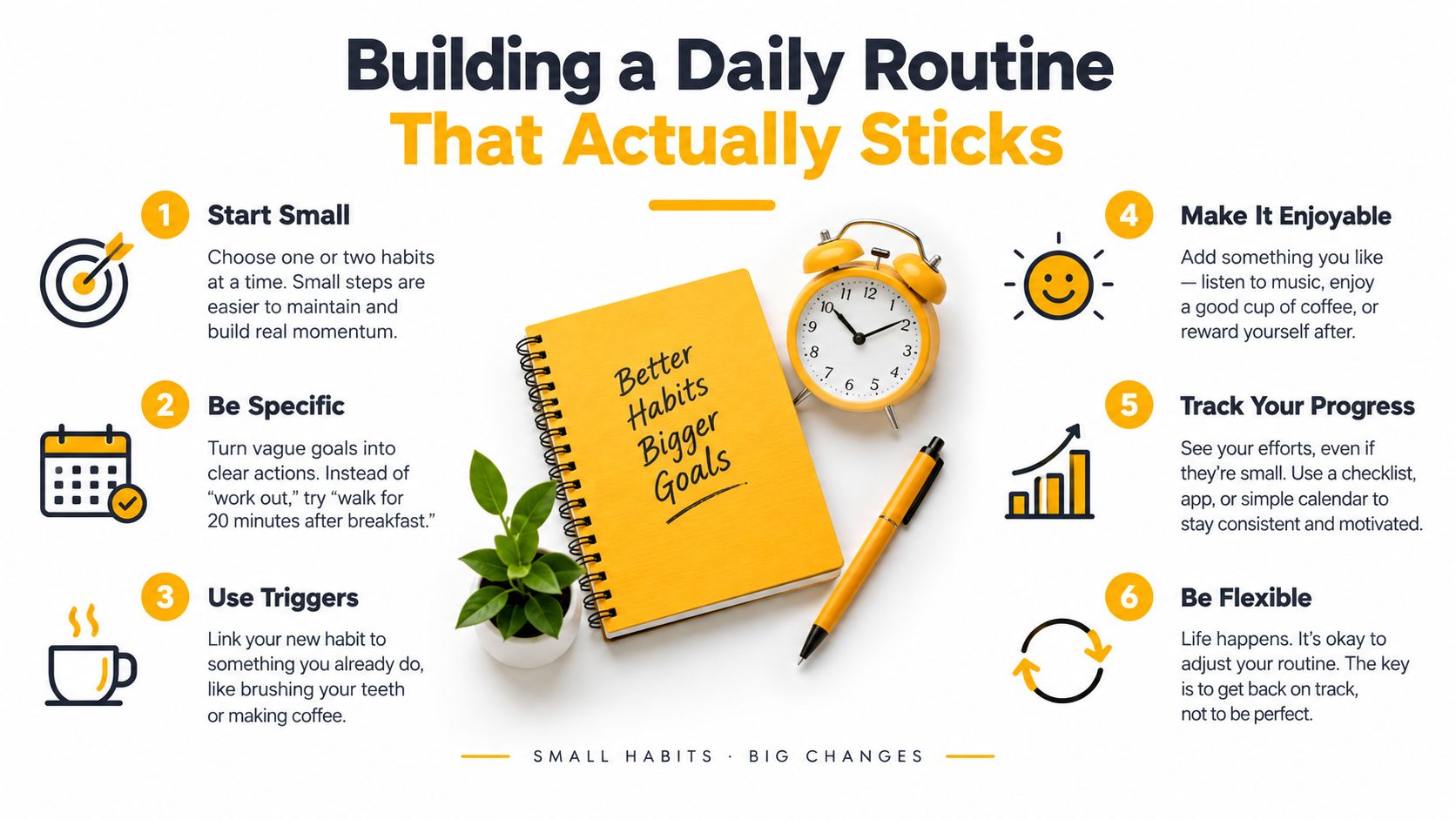
A gummy works best when it attaches to an existing event. Breakfast, tooth-brushing, packing the lunchbox or the first drink after school can all serve as anchors. Pick one moment that happens reliably, then keep the bottle in a secure location that the adult can reach without turning the routine into a scavenger hunt.
The sensory experience matters because children repeat routines they find acceptable. Texture, flavour and size can reduce resistance, but they shouldn't become a reward system that encourages extra doses. Let your child participate by choosing between approved options or placing a sticker on a chart, while the adult controls the bottle and serving.
Make the logistics boring
Subscriptions can reduce the chance of running out, but they need supervision. Check the delivery interval against the serving instructions, review expiry dates, and set a calendar reminder to pause or cancel if your child changes products, ages into a new formulation or stops using it. Automatic delivery is a useful household system only when a parent checks what is arriving.
A chemist purchase offers more immediate control, but it can also create gaps when the bottle runs out. Whichever method you use, don't decant the full supply into a jar or lunchbox. Keep the original packaging and directions with the product.
Try this same-day setup:
- Choose the fixed cue, such as breakfast.
- Store the bottle high and locked, away from heat and moisture.
- Write the child's serving and age range on your family reminder system.
- Put the expiry date in the calendar.
- Decide what happens after a missed dose before the first one is missed.
- Review the routine when school terms, diets or medications change.
Keep the bottle upright to reduce sticking, and use a clean small dish for the single serving if that helps the adult manage the routine. Don't leave that dish unattended or within reach. The aim is a predictable habit with controlled access, not a visible bowl of sweets.
Reading Labels and Choosing a Trusted Brand
Australian supplement labels contain useful signals, but parents need to interpret them accurately. AUST L identifies a listed complementary medicine assessed for quality and safety requirements, while AUST R identifies a registered medicine that has undergone a fuller TGA evaluation. Neither number tells you that a product is necessary for your child, and an AUST L number doesn't turn a marketing claim into proof of a health outcome.
Work from the back of the pack
Check the product's entry in the Australian Register of Therapeutic Goods, then compare the listing with the bottle in your hand. The label should show:
- Age direction: Look for a clear “suitable from” statement and serving instructions.
- Ingredient transparency: Active ingredients should be named with their amounts, while excipients and sweeteners should also be visible.
- Allergen information: Check gelatine, dairy, soy, gluten, nuts and shared-equipment warnings where relevant.
- Batch and expiry details: Photograph these before opening if you want a clean record for your household.
- Storage directions: Confirm the required temperature, moisture protection and closure instructions.
Iron deserves an especially careful read. A label may describe an iron salt, such as bisglycinate or fumarate, while the clinically relevant amount may be stated as elemental iron. If you can't tell what amount the serving provides, ask a pharmacist instead of guessing.
Product pages should show the actual ingredient panel, not only a styled image of the front label. Look for an Australian contact address, clear directions and accessible customer reviews. Three independent reviews can help identify recurring issues with taste, texture, packaging or delivery, but reviews can't verify a nutrient dose or replace regulatory information.
Use this guide to choosing a multivitamin brand in Australia as a comparison prompt, not a shortcut around label reading. The safest choice is the product whose ingredients, age guidance, storage instructions and regulatory details you can understand before checkout.
Quick Checklist and Common Parent Questions
Use this checklist before the bottle enters your shopping basket:
- Confirm the age range: Match the product to your child, not a sibling or adult.
- Verify the serving: Write down the daily dose and don't improvise.
- Check the formula: Look for relevant nutrients and avoid unnecessary blends.
- Decide on sweetness: Understand the sugar, sugar alcohol and flavouring choices.
- Clear allergens: Read the complete allergen statement and shared-equipment information.
- Check regulation: Look for the relevant AUST number and verify the ARTG entry.
- Plan storage: Choose a high, locked cupboard before the product arrives.
- Manage deliveries: If you subscribe, set a reminder to review the plan.
- Track acceptance: Note whether your child takes the product consistently.
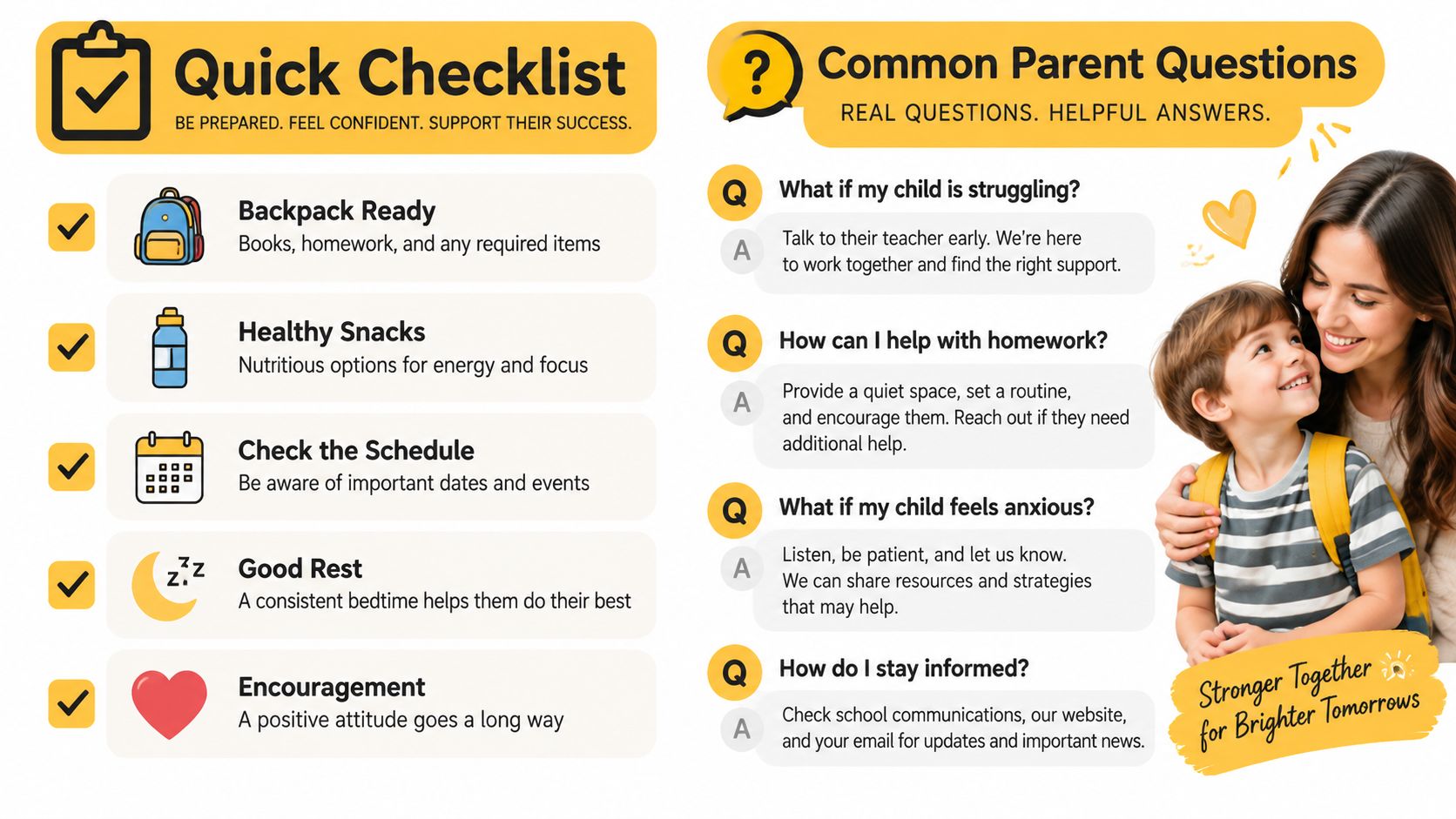
Parent questions answered
What should I do if my child misses a dose?
Don't automatically double the next serving. Follow the product directions or ask a pharmacist, particularly if the supplement contains iron or other nutrients that need closer control.
Can I cut or crush a gummy?
Only do this if the manufacturer or a health professional confirms it's appropriate. Cutting can make the dose less predictable, and crushing may change the texture or make the child more likely to swallow without chewing.
Where should I store the bottle?
Use a cool, dry place away from the bathroom, kettle, sunlight and children. Keep the original cap closed and the bottle out of sight as well as out of reach.
When should I speak with a GP?
Ask before supplementing when your child takes prescription medication, has possible deficiency symptoms, follows a restricted diet or already uses several supplements. A broad multivitamin isn't always the right response to a specific nutrient problem.
How long should we trial it?
Give the routine enough time to show whether your child accepts the texture, taste and timing, but don't continue indefinitely if the product causes problems or isn't needed. Review the label and the reason for use at the next suitable health appointment or when your child's diet changes.
The simple rule is treat gummies like medicine, not lollies, and revisit the checklist each school term.
Daily Powers offers children's gummy supplements built around daily routines, including a multivitamin option and formulations positioned for focus and calm, with transparent ingredient and dosing information on its product pages. If you're looking for a sugar-free, vegan format to assess alongside the label and safety checks above, visit Daily Powers and choose the option that fits your child's routine.