

Probiotics are live microorganisms, while prebiotics are special fibres your body can't digest that feed them. Think of probiotics as seeds in a garden and prebiotics as the fertiliser that helps those seeds grow.
That distinction matters when you're standing in a supermarket aisle, holding a children's supplement and trying to work out whether “gut health” means better digestion, stronger immunity, improved concentration, or just clever packaging. Parents often begin by searching for the probiotic meaning, then discover a confusing world of strains, fibres, fermented foods, gummies and therapeutic products.
The most useful starting point is simple: adding beneficial bacteria is only one part of supporting a child's gut ecosystem. The existing microorganisms also need the right nourishment. For many families, that means paying closer attention to prebiotics, the fibres that help beneficial gut bacteria thrive.
Table of Contents
- What Is Probiotic Meaning for Your Family
- Understanding the Core Differences
- Why Your Child Needs Both Elements
- How the Gut Microbiome Functions
- The Gut-Brain Connection in Children
- Practical Steps for Busy Parents
What Is Probiotic Meaning for Your Family
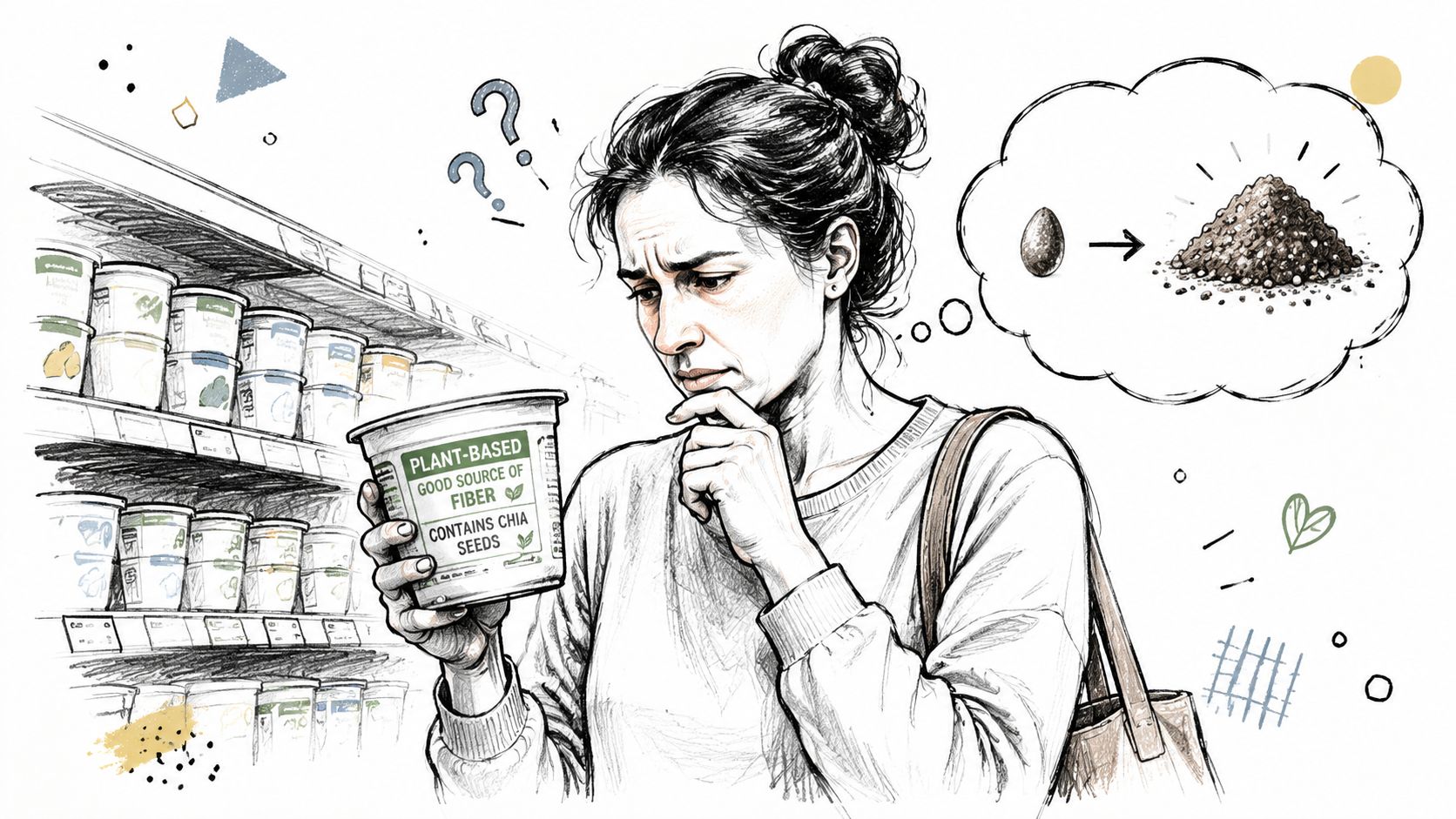
A busy morning can make nutrition decisions feel like a multiple-choice exam. Your child is refusing breakfast, the lunchbox is half packed, and a label promises “friendly bacteria” in cheerful colours. You may reasonably wonder whether you're choosing a probiotic, a prebiotic, or a product that uses both terms loosely.
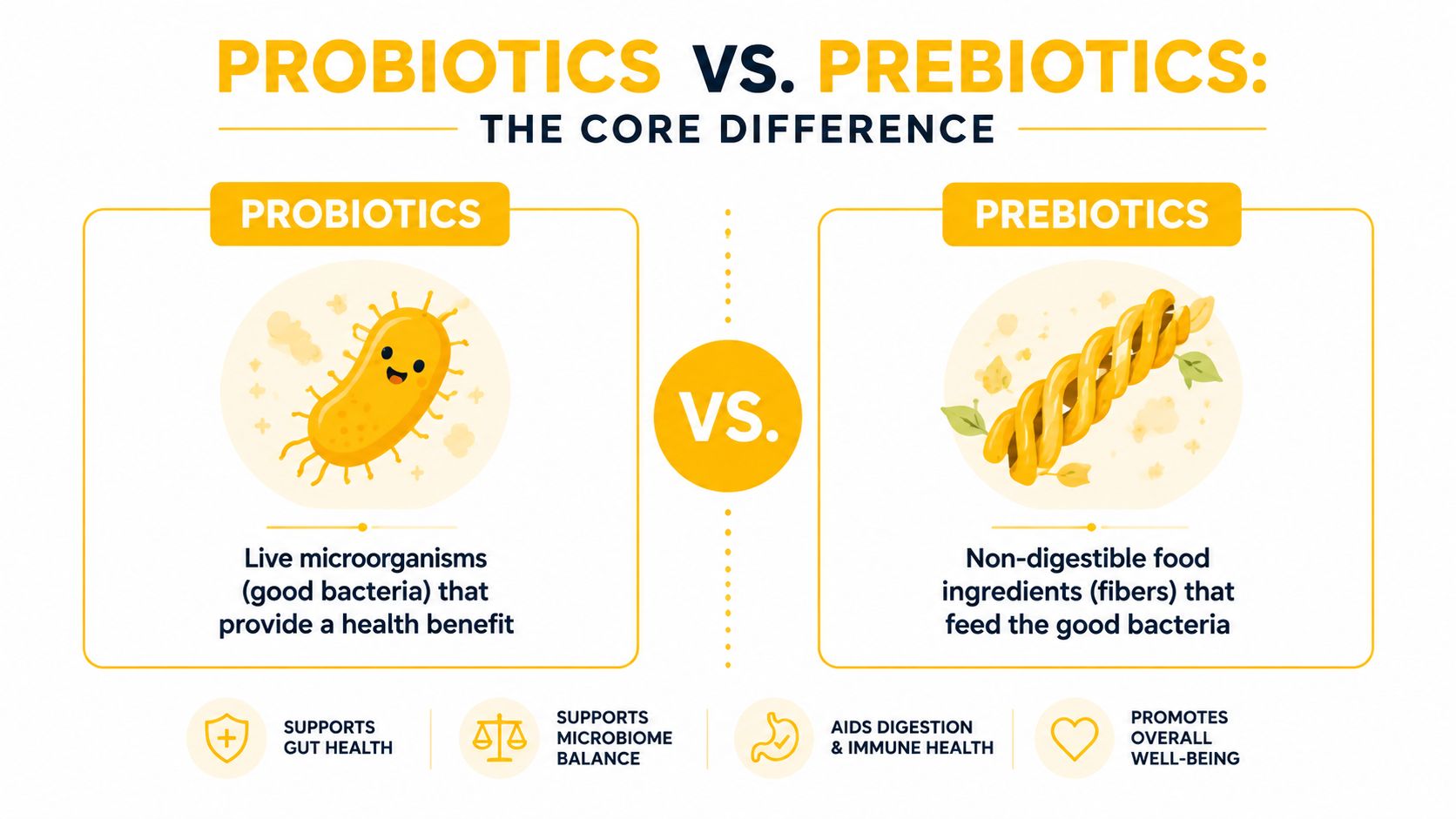
The garden analogy removes much of that uncertainty. Probiotics are the seeds, meaning live beneficial bacteria and yeasts that can support the gut when used in appropriate amounts. Prebiotics are the fertiliser, meaning special fibres that the body can't digest but beneficial gut microorganisms can use as food.
A packet of seeds won't create a thriving garden without soil, water and nourishment. In the same way, introducing live microorganisms without providing suitable food may be an incomplete approach to building a healthy gut environment. Prebiotics feed the helpful microbes already living in your child's gut, rather than only adding more organisms from outside.
The parent-friendly definition
Australian consumer guidance describes probiotics as “good” bacteria that live naturally in the gut and form part of the microbiome. It also explains that different strains can have different effects, so the word probiotic doesn't describe one universal substance or one guaranteed outcome. You can read the Australian consumer explanation of probiotics for a clear overview of this distinction.
That's why “good bacteria” is a helpful introduction, but not a complete clinical definition. The Therapeutic Goods Administration's guidance on microorganism products uses the scientific definition of probiotics as live microorganisms that, when administered in adequate amounts, are proposed to confer a health benefit.
Practical rule: Ask two questions before buying. Which microorganism or fibre does the product contain, and what specific purpose is it intended to support?
Why prebiotics deserve more attention
Healthy gut support isn't about chasing the largest number of bacteria on a label. It's about creating an environment in which beneficial microorganisms can function. Prebiotic-rich foods can include fibre-containing plant foods such as oats, beans, onions, garlic, apples, broccoli and whole grains, provided they suit your child's age, preferences and digestion.
A child who already eats a varied diet may receive prebiotic fibres through ordinary meals. A supplement may be considered as part of a broader routine, but it shouldn't replace medical advice, balanced food or investigation of persistent symptoms.
Understanding the Core Differences
The easiest way to separate the terms is to ask what each one is and what each one does.
| Feature | Probiotics | Prebiotics |
|---|---|---|
| What they are | Live microorganisms, including beneficial bacteria and some yeasts | Non-digestible food ingredients, usually particular fibres |
| Their role | Add or provide selected live microorganisms | Feed beneficial microorganisms already present |
| Main label clues | Strain names, microorganism details and therapeutic claims | Fibre names, such as fructooligosaccharides |
| Garden analogy | Seeds | Fertiliser |
What the Australian label tells you
In Australia, the TGA treats products containing microorganisms as complementary medicines. The agency's framework recognises probiotics as live microorganisms proposed to provide a health benefit when administered in adequate amounts. This places the term inside a therapeutic-goods system rather than treating every fermented food or “friendly bacteria” claim as interchangeable.
Probiotic medicines are identified on the Australian Register of Therapeutic Goods by AUST L or L(A) numbers, meaning they're listed medicines. Sponsors must hold evidence for the indications they select and meet quality expectations under the Therapeutic Goods Act 1989. The TGA guidance for listed or registered complementary medicines containing microorganisms explains this regulatory setting.
Foods and therapeutic goods also differ in what they disclose. Australian consumer guidance notes that foods don't have to state the number of probiotic bacteria on the label, while complementary medicines disclose active-ingredient amounts. That makes product comparison harder when a parent is relying only on colony counts.
Reading a product description carefully
A product can contain a prebiotic without containing a probiotic. For example, Focus is described as a children's gummy containing prebiotic fructooligosaccharides alongside mushroom polysaccharides, vitamin D3, zinc and elderberry fruit powder. Its description identifies it as a prebiotic product, not a source of live probiotic bacteria.
The distinction also helps you interpret the word “postbiotic”. Australian guidance has used probiotic and postbiotic terminology for products containing whole and intact bacterial, fungal or yeast cells, whether live or non-viable. Because the regulatory language continues to develop, parents should rely on the product classification, ingredient list and stated directions rather than assuming that every “biotic” has the same function.
Why Your Child Needs Both Elements
A child may take a probiotic while eating very little fibre, or eat plenty of fibre without taking a live microbial product. These are different approaches, not competing versions of the same ingredient. A probiotic supplies selected live microorganisms. A prebiotic supplies material that suitable beneficial microorganisms can use.
Paediatric guidance describes prebiotics as non-digestible food ingredients that selectively stimulate probiotic growth. In practical terms, ordinary fibre is a broad nutritional category, while a prebiotic has a more specific role. The garden analogy helps: probiotics add selected plants, while prebiotics provide food for helpful organisms already growing in the soil. This distinction is explained in the Royal Children's Hospital guidance on probiotics and prebiotics.
Adding bacteria versus feeding the garden
Consider two children. One takes a product containing live microorganisms. The other eats a fibre-rich meal that supports suitable microorganisms already present in the gut. Neither choice can be judged by the product category alone. The useful questions are which strains or fibres are involved, what outcome is being targeted, and whether the child tolerates the approach.
A probiotic may help with a narrowly defined purpose, but findings from one strain, dose or health outcome do not automatically apply to another. Prebiotics follow a different route by nourishing parts of the existing microbial community. A supplement containing prebiotics is therefore not “missing” probiotics when its purpose is to feed existing microflora.
The central idea: A healthy gut routine supports the organisms already living there, rather than treating the microbiome like an empty container that needs constant refilling.
This matters beyond digestion. Fibre-supported microbial activity may contribute to communication between the gut, immune system and brain, so prebiotics deserve attention when parents are considering the gut-mind connection and cognitive function.
What the evidence says about children
Australian paediatric evidence shows that probiotic effects can be condition-specific. In an early-childhood education trial, children receiving a TGA-approved multi-strain product at 10 billion AFU per day experienced a reported 62% reduction in gastrointestinal tract infection incidence compared with placebo during the final 16 weeks of follow-up, while no meaningful benefit was found for respiratory infections. The Australian multi-strain probiotic trial also indicates that protective effects may take around 8 weeks to become evident.
That result does not mean every child needs a probiotic. In a community study of healthy Australian pre-school children, 54% of parents said they gave probiotics to promote general health, while perceived effects were modest and 47.4% had lifetime exposure to probiotics, as reported in the study of probiotic supplementation in healthy pre-school children. For a healthy child, a varied diet that feeds existing beneficial microbes may be a sensible starting point before adding a live product without a clear goal.
For broader family nutrition ideas, see this guide to vitamins that support the immune system. Supplements do not replace assessment for ongoing diarrhoea, constipation, pain, weight concerns or other symptoms.
How the Gut Microbiome Functions
Your child's gut microbiome is a living community, not a single organ or a simple list of bacteria. Food, digestion, immune activity and microbial metabolism interact continuously, which is why everyday habits matter more than one isolated “superfood”.
A simple journey through the gut
- Your child eats food containing fibre. Some carbohydrates and fibres pass through the upper digestive tract without being fully broken down by human digestive enzymes.
- Microorganisms in the lower gut use suitable fibres. Prebiotic ingredients selectively stimulate the growth or activity of beneficial microbes. The response depends on the person's existing microbial community and the amount and type of fibre.
- Microbial activity produces useful compounds. Fermentation of prebiotic fibres can produce short-chain fatty acids. These compounds can support the gut lining and participate in communication between the gut, immune system and the rest of the body.
- The gut lining forms an important boundary. A well-supported intestinal lining helps manage what passes between the gut contents and the body. The immune system also interacts with gut microorganisms, which is one reason gut health and immune health are often discussed together.
- The routine continues. A single serve of fibre doesn't transform a microbiome overnight. Regular meals, sufficient fluids, movement, sleep and a calm approach to new foods all help create sustainable conditions.
The process isn't a promise that prebiotics will prevent every childhood illness. It's better understood as maintenance for a complex ecosystem. The gut health guide for kids offers family-friendly context, but persistent or severe symptoms still require medical review.
Building the environment
Parents sometimes expect a supplement to act like a switch, turning poor digestion into perfect digestion. Children's guts are more responsive to gradual changes. A sudden increase in fibre can cause discomfort in some children, so introduce new foods gently and observe how your child responds.
A practical plate might include oats at breakfast, fruit as a snack, legumes or whole grains at lunch, and vegetables at dinner. The best plan is the one your child can eat consistently and your family can maintain without creating anxiety around food.
The Gut-Brain Connection in Children
A child's concentration can change with poor sleep, hunger, stress, illness, learning difficulty or an unsettled digestive system. Gut health may be one part of that picture, but it shouldn't be treated as the sole explanation for brain fog, emotional changes or difficulty staying on task.
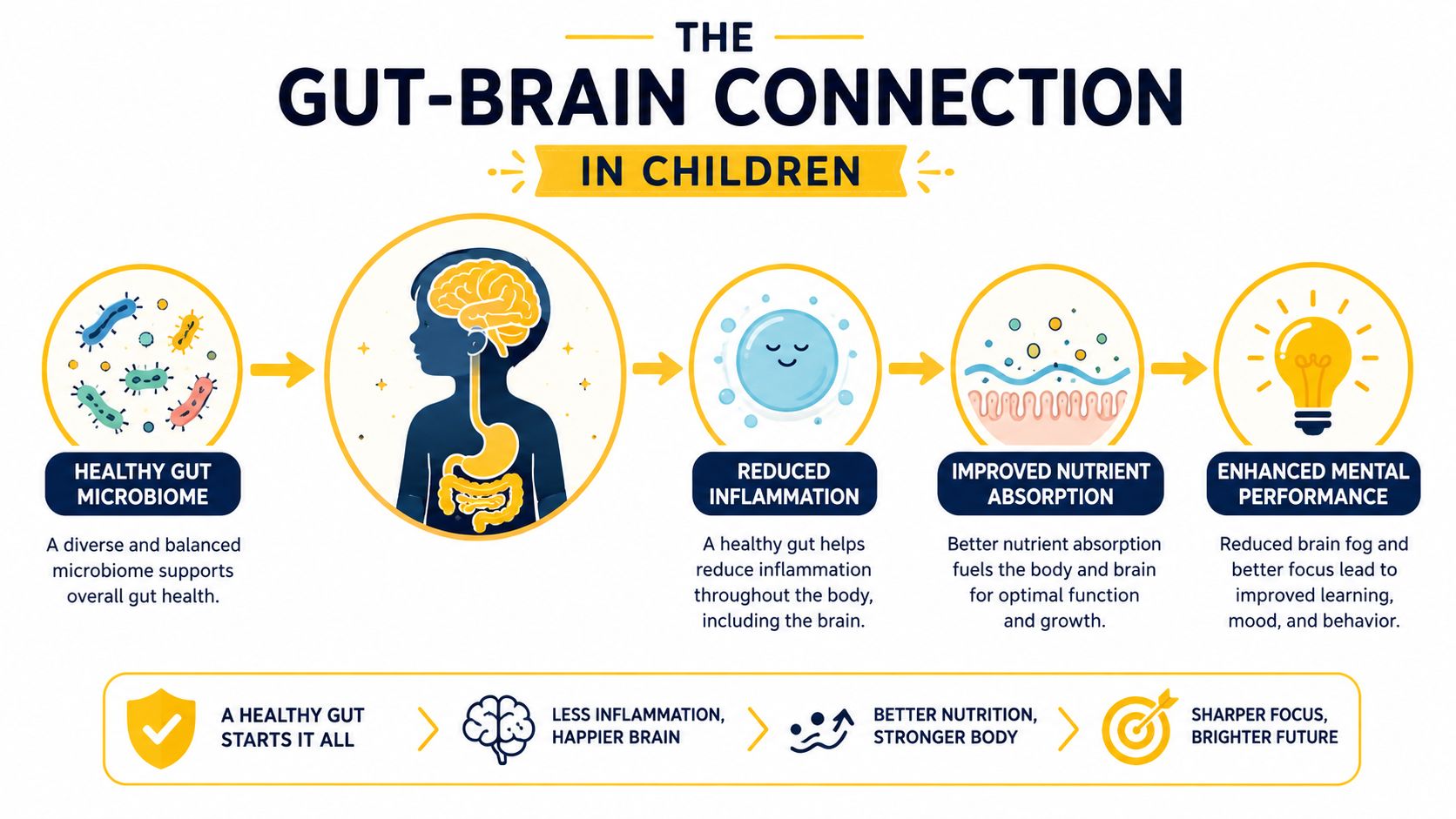
The gut and brain communicate through several pathways, including nervous-system signalling, immune activity and compounds produced when microorganisms use dietary fibres. When prebiotic fibres support beneficial microbial activity, the resulting gut environment may contribute to communication along the gut-brain axis. That gives parents a useful reason to care about prebiotics beyond bowel regularity.
From digestion to daily behaviour
A comfortable gut can make it easier for a child to eat, sleep and participate in normal activities. A child who is frequently bloated or constipated may feel distracted by discomfort, while a child with a more settled routine may find it easier to engage with schoolwork. That's a practical observation, not proof that a prebiotic will directly improve academic performance.
The gut-brain connection also works in both directions. Stress can affect appetite and bowel habits, and digestive discomfort can affect mood. Supporting a child means addressing the whole routine, including regular meals, sleep, hydration, movement, emotional support and appropriate professional care.
A balanced expectation: Prebiotics can support the gut environment, but they aren't a substitute for investigating persistent brain fog, concentration difficulties, anxiety, fatigue or changes in behaviour.
The Royal Children's Hospital information on probiotics notes that probiotics may help reduce the frequency and duration of diarrhoea, with possible benefits for eczema and some allergy-related outcomes, but it also emphasises that evidence for several childhood uses remains mixed. That caution matters here. Gut support can be part of a healthy foundation, while learning or behavioural concerns deserve a properly individualised assessment.
Practical Steps for Busy Parents
Start with food before reaching for a supplement. Offer a variety of prebiotic-rich foods that your child already accepts, such as oats, apples, beans, onions, garlic, broccoli and whole grains. Add unfamiliar foods in small, low-pressure portions, and increase fibre gradually if your child is sensitive.
When comparing a product, check whether it contains live microorganisms or prebiotic fibre. Those ingredients serve different purposes. Look for clear directions, transparent ingredient information and age-appropriate guidance, and ask a pharmacist, dietitian or paediatrician if your child has a medical condition, takes medicines or has persistent digestive symptoms.
A prebiotic-focused gummy may suit a family that wants to support existing microflora without adding live bacteria. Daily Powers products are formulated as children's gummies, and the Focus product description identifies prebiotic fructooligosaccharides as part of its ingredient profile. Read more about kids' vitamin gummies and routine-building, and keep the role of the product specific rather than expecting it to solve every concern.
Use a simple daily rhythm:
- Serve fibre regularly: Build prebiotic foods into ordinary meals and snacks.
- Watch tolerance: Reduce or pause a new fibre source if discomfort appears, then seek professional advice when symptoms persist.
- Keep the goal realistic: Support digestion and healthy routines, rather than promising sharper school performance.
- Review the label: Confirm whether the product contains probiotics, prebiotics or both.
The probiotic meaning becomes much clearer once you stop viewing gut health as a choice between competing buzzwords. Probiotics are the seeds, prebiotics are the fertiliser, and a child's wider routine provides the soil, water and care.
Daily Powers offers children's formulations that include prebiotic options designed to fit into simple daily routines, including Focus for growing minds and Calm for relaxation support. Visit Daily Powers to review the ingredient information and choose a routine that fits your family.